NZ Apple Sector Pushes for Japan & Korea Market Access
The apple sector is working with the Government to unlock access to two key markets that could bring millions in revenue for apple growers.
 increase font size

AUSTRALIAN FARMERS want urgent action by the Government to secure free trade agreements with South Korea, Japan and China.
The National Farmers Federation says such trade deals would benefit the entire agricultural industry and need to be a priority.
“Senior government ministers [have talked about] trade in the last week or so, and while it’s good to hear them talking, farmers need action to back up the words,” NFF president Duncan Fraser says.
“We and our members are becoming increasingly concerned that our competitors are gaining advantages over Australian farmers in key markets such as Korea and Japan. We are urging the Government to make sure Australian farmers are paramount when these deals are negotiated.
“We believe trade agreements are beneficial for agriculture and should be progressed. There is a general understanding that Australia can play an important part in supplying food and fibre to growing Asian markets, but we can do this only if we reach comprehensive agreements and commercially driven outcomes,” Fraser says.
Since its election victory two months ago, Prime Minister Tony Abbot’s Liberal/National Coalition has stepped up negotiations with China, Japan and South Korea. Japan privately is keen to get the jump on its Asian competitors.
Recently Abbott met Japanese Prime Minister Shinzo Abe on the sidelines of the East Asia Summit in Brunei. Abbott is said to have emerged from those talks describing Japan as Australia’s best friend in Asia.
Japan places import tariffs as high as 800% on beef and rice, while the tariff on cars imported into Australia is just 5%.
But the NFF has cautioned against signing a deal at any cost.
“Critically, any free trade agreement with China – like those in negotiations with Japan and Korea – must take a holistic view of Australian agriculture and not leave key agricultural commodities out,” says Fraser.
Fraser’s comments come as a report currently being finalised by the Rural Industries Research and Development Corporation (RIRDC) examines the implications of recently implemented trade agreements. The report suggests that Australian agriculture is disadvantaged by bilateral deals completed by some of Australia’s neighbours.
“The RIRDC report acknowledges what Australian farmers have known for years – that we continue to do our best, but we are up against agreements that put us at a disadvantage. This cannot continue; we need Government to play its part and negotiate hard for.”
Deputy Prime Minister Warren Truss says agriculture will be at the centre of free trade agreement negotiations with key export partners.
The apple sector is working with the Government to unlock access to two key markets that could bring millions in revenue for apple growers.

Talk the language of business when communicating the benefits of Free Trade Agreements (FTAs) - that's the message to the Government and its officials from public and international trade law expert Sarah Salmond.
A trade deal with the United Arab Emirates has moved a step close following a meeting between NZ's Trade Minister Todd McClay and UAE Trade Minister Dr Thani bin Ahmed Al Zeyoudi.
ANYTHING GOOD for Australia is in the long run good for New Zealand. That’s the reaction of Trade Minister Tim Groser to the news that Australia has signed a free trade agreement with China, and to speculation that their FTA with China is better than NZ’s, especially regarding dairy products.
The European Union's ambassador to NZ, Nina Obermaier, is hopeful that the FTA negotiated last year will be signed off by the middle of this year.


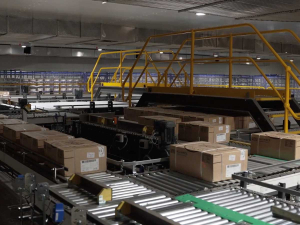
Alliance is calling for final applications for its 2027 Graduate Programme, with applications closing on Sunday 25 October.
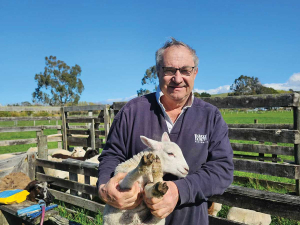
Decades piloting planes has ensured vet and farmer David Hayes is focused on safety. So, after a serious accident while welding on farm, he is sharing his experience so others can learn from it.
Canterbury milk processor, Synlait Milk has confirmed Leon Fung as its chief executive officer.
OPINION: Making it easier to collect rainwater and use it to grow crops and livestock is a no brainer.
As part of its Election 2026 coverage, Rural News asked political parties how they would help pull the arable sector out of the doldrums. Here's what they said:
Farmers are being encouraged to rethink how they manage waste on farm with the launch of ruralwastesorted.co.nz, a new website bringing together practical tips, real farmer experiences and resources.