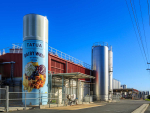
Ah Tatua, You've Done It Again!
Waikato milk processor Tatua has again declared a record milk payout to farmer shareholders, leaving other processors in the dust.
 increase font size
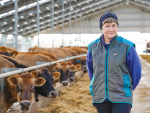
 Ken Hames.
Poor quality directors around the board table are one of the biggest risks to us as Fonterra shareholders.
Directors hire/fire the chief executive, set the strategy, hold management to account and have oversight of the company.
Thus the quality of the directors we elect impacts greatly on our co-op's direction and performance. Having the most capable people improves the quality of the discussion and decisionmaking around the table.
But when it comes to voting time, shareholders tend to vote for the candidate they know -- not always but usually. It's human nature to support who you know, but does this achieve the best results?
I stood for Fonterra in 2011 and have had appointments to other New Zealand boards. I've been through election and appointment processes and I've been a keen observer of elections and results, so I feel I can make some comments on the choices in front of Fonterra shareholders.
We want the best directors. We've made it plain in the governance and representation review feedback and at the meetings I've attended. The review committee has kept its ears open and come out with its final proposal which acknowledges that.
A fundamental change is that future potential directors will be selected and elected on the basis of having the required attributes and skills needed. This isn't a vague list. It's a checklist of skills, experience and attitudes considered essential for directors in a business of our size.
Essentially this proposal is an 'appointment' process in a similar way our independent directors have been recruited for the board since day one. Anyone who comes forward is assessed by an independent panel, and those who pass muster go forward to the nominations committee.
Then it's up to us as shareholders to vote 'yes' or 'no' on the prospective directors put forward. We'll get the opportunity to meet and question them and we'll get good information on their experience and skills.
As shareholders in Fonterra, ownership and control are fundamental to us. In this new system we still have control. The only change is in how we exercise this control: we get to vote 'yes' or 'no'; it's our say who goes on the board and if we don't want a candidate we can reject him/her.
What I like about the appointment process is that candidates are assessed against the skills matrix. This enables directors to be selected to align with the strategic direction and governance needs of Fonterra. It should also encourage good people to come forward.
While I personally enjoyed the Fonterra election process and getting around the country meeting shareholders, I understand it's not for everyone. Apparently, it has put some people off standing.
I was a little sceptical of this view until I was talking to a farmer with governance experience and business skills at the recent Networkers conference. He said that he would not have stood under the current system but would consider it under the proposed new system. So I've had to change my view.
What I also see as positive is the process for weeding out non-performing directors. Currently as shareholders we have no idea who makes a strong contribution around the table and who is less capable. In future if a sitting director is viewed by the board to be not up to standard then they will not be endorsed and will drop out of the process.
As shareholders we have to decide two things and then vote accordingly:
1. Is this a better process?
2. Will it give us more capable directors to govern our business?
I believe the proposed changes will achieve these two things, so I'm going to get in behind them and vote 'yes' to better governance of our cooperative. Sure, it's not perfect in my view, but it goes a long way to improving performance at Fonterra's board table.
And for me as a shareholder and owner, that's what matters.
• Ken Hames milks 970 cows near Wellsford in two equity partnerships and is a Fonterra supplier.
Waikato milk processor Tatua has again declared a record milk payout to farmer shareholders, leaving other processors in the dust.
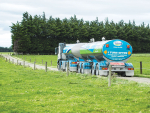
Fonterra has unveiled its annual results for the 2026 financial year, posting $27 billion in revenue and close to $20 billion returned to New Zealand farmer owners and unit holders.
Fonterra Co-operative Group has confirmed the independently assessed candidates standing for election to its board in 2026.
Fonterra has revised its Farmgate Milk Price forecast for the 2026/27 season, lifting the midpoint and narrowing the range on the back of improving global dairy commodity prices.
Outgoing Fonterra Co-operative Council chair John Stevenson says that it has been a privilege to represent the co-op's farmer shareholders.


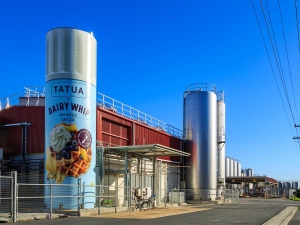
Waikato milk processor Tatua has again declared a record milk payout to farmer shareholders, leaving other processors in the dust.
A Labour-led Government won’t be bringing back the controversial freshwater rules of 2020.
National’s much-touted free trade deal with India featured in the Rural Issues Debate at Mystery Creek, Hamilton on Wednesday night.
New Zealand's 2026-27 freshwater fishing season has opened, with anglers encouraged to head to rivers and lakes over the coming days as conditions look favourable across much of the country.
Central Otago District Council (CODC) has voted against a plan to spread treated sewage sludge from Cromwell and Alexandra on farmland near Lauder, a decision Federated Farmers says reflects strong opposition from rural residents.
Pāmu has released its FY26 Integrated Annual Report, reporting a Net Operating Profit of $113 million, more than double the $49 million recorded in FY25.