Milk Powder Prices Prop Up Farmgate Milk Price
Milk powder prices are keeping farmgate prices up, helping processors offset the dip in milk fat prices.
 increase font size
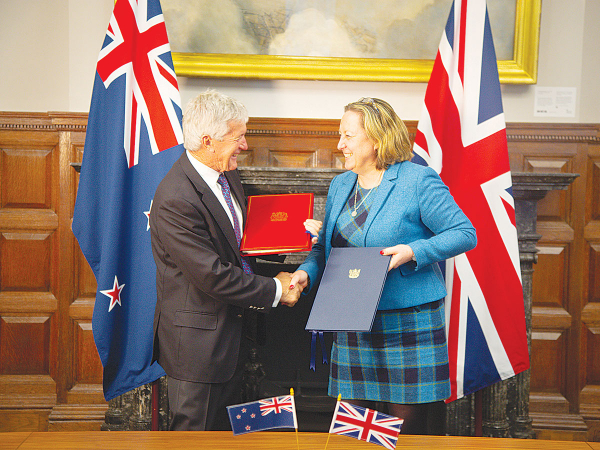 Trade and Export Growth Minister Damien O'Connor and UK Secretary of State for International Trade Anne-Marie Trevelyan signed an FTA last week that will result in close to full liberalisation of all trade.
OPINION: Last week New Zealand dairy farmers woke up to fantastic news on two consecutive days.
The first was the early morning signing of a free trade deal between New Zealand and the United Kingdom in London.
The second was the Global Dairy Trade (GDT) price index rising for the fifth straight time; more importantly whole milk powder and skim milk powder, used by processors to set the milk price, posted solid gains.
The two doses of good news come as farmers grapple with issues including rising costs, a pandemic and a looming levy/tax on greenhouse gas emissions.
With the world the way it is right now, the trade deal and a strong forecast milk price give farmers reason to be reassured good things do still happen.
The FTA with the UK will result in close to full liberalisation of all trade. About 60% of NZ’s current dairy trade will enter the UK duty free at the start of the FTA, 99.5% within 5 years, and 100% within 7 years.
Tariffs will be eliminated over 5 years for butter (export value $1.6 million) and cheese (export value $500,000), with significant new duty-free quotas that will allow trade to grow during the transition period, until all tariffs and quotas are eliminated.
Many other dairy products will also become tariff free at entry into force, with the remainder eliminated over 3 or 7 years. This opens a significant dairy market that New Zealand exporters have long been effectively locked out of due to high tariffs.
Farmers will be looking forward to the deal pumping more money through the farm gate. Right now a record milk price is on the cards for all NZ dairy farmers.
Dwindling milk production in NZ and around the world is pushing prices up; the fallout from the war in Ukraine is also causing jittery buyers to pay higher prices and stockpile dairy products.
However, the global sanctions against Russia, a major producer of oil and gas, are also pushing fuel prices up. Farmers are facing steep prices increases for fertiliser and other inputs. Interest rates are also rising.
Farmers are astute business people: through careful planning they will get through.
The good news is that milk prices are holding up well. Our new FTA with the UK lays the foundation for higher prices in the years ahead. And when dairy farmers do well, New Zealand does well.
Fonterra’s midpoint of $9.60/kgMS represents a cash injection of over $14 billion into NZ’s economy through milk price payments alone.
Milk powder prices are keeping farmgate prices up, helping processors offset the dip in milk fat prices.
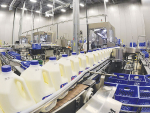
OPINION: With 10,500 dairy farms, New Zealand continues to punch above its weight around the world.
A milk glut around the world shows no sign of easing, putting downward pressure on farmgate milk prices for the next few months.
Fonterra has reduced its forecast 2026/27 Farmgate Milk Price.
New Zealand dairy farmers are set to be the first in the world to receive access to a new digital physical milk pricing tool that enables them to fix the price for their physical milk.


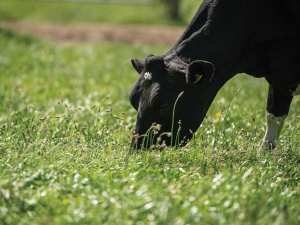
Farms across the upper North Island are trialling different pasture mixes as part of a research programme that aims to build greater resilience into farming systems.
Election years are always a concerning time for farmers, according to DairyNZ chair Tracy Brown.
The Ballance Farm Environment Awards are coming to the West Coast of the South Island.
Most dairy regions around the country have had a pretty good season so far says Tracy Brown.
Rural leader Mark Hooper has been appointed as an independent director to the NZPork board, bringing extensive farming, governance and advocacy experience to the role.