OPINION: As the general election approaches, political parties are churning out policies in the hope of attracting more votes.
However, some policies are missing the mark, like ACT's Backing Hunters policy.
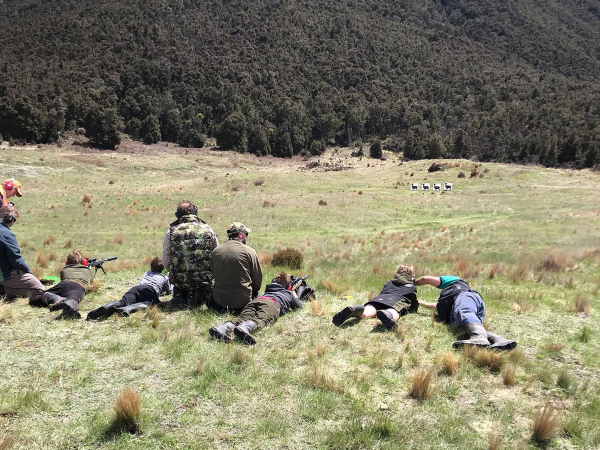
The party proposes hunter-led management of game animals on conservaton land, something which has been handled by DoC. ACT wants the Game Animal Council to do this.
While this is music to the ears of hunters, farmers aren't impressed.
ACT will transfer responsibility for managing game animals on conservation land from DoC to the Game Animal Council, meaning hunters will set the targets rather than just being consulted. This will include full funding for all their current and proposed duties.
Farmers have fired a shot across ACT's bow, claiming that allowing the Game Animal Council to set game population targets is extremely concerning.
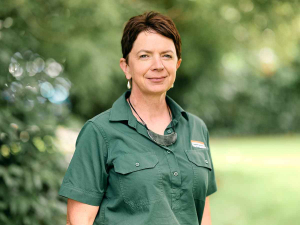
"ACT has fired a shot with this policy, but they've completely missed the mark," says Richard Dawkins, Federated Farmers pest management spokesperson.
Hunters generally see deer as a valuable resource. They want healthy herd numbers, plenty of hunting opportunitiees and, in some places, quality trophy animals.
On the other hand, many farmers view those same deer as pests that cause huge problems when they damage pasture, crops, fences, forestry and native vegetation.
Under ACT's plan, the people who value the animals would be setting the limits, while neighbouring farmers could carry the consequences and the costs.
Has ACT mistakenly assumed that the interests of hunters and neighbouring farmers are automatically aligned when they are not?
In any case, farmers should not be expected to carry the cost of maintaining game animal populations for someone else's recreational benefit.