Makita Launches GP001G 40VMax XGT Cordless Grease Gun
Power tool manufacturer Makita has released details of its new cordless GP001G 40vMax XGT grease gun, designed as a practical and precise solution for lubrication of the largest machinery.
 increase font size
Several years ago, Strainrite's Southland rep identified a gap in the market for quality multi-wire break feeding products for sheep and beef farmers.
So, the company set about trying to identify the needs for efficient break-feeding systems.
A major problem centred around the quality of imported poly-wires that were usually manufactured using a twisting process, that when wound up as multiple wires, when released, tended to coil up and tangle.
After several years of research, Strainrite identified a New Zealand-made wire, manufactured by braiding, that consequently made it very smooth. When released for winding, the NZ braid remains straight, with the chances of tangling greatly reduced due to its smoothness, alongside the added benefit of easily fitting 500 metres of wire on a standard reel.
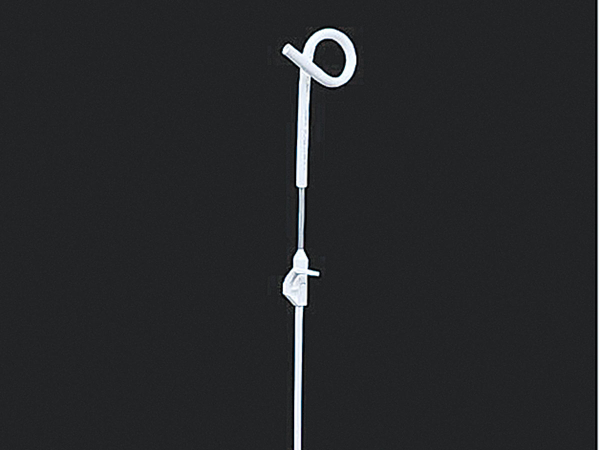
The company says further research looked at the multiwire tread-in, that after extensive trialing led to the new pigtail multiwire tread-in. Able to be used for sheep and cattle of any size, the units are made from 6mm high tensile steel, with the NZ-made, goldfoot offering proven and exceptional groundholding capabilities. The design sees newly developed lugs that are wider and smoother with rounded edges to allow smooth passage of the braid. A unique feature is the downward aspect of the leg which enables the standard to be moved horizontally, without falling off the wires, while the insulated shaft enables easy installation onto a live fence.
Another time-consuming task is connecting all the polywires together at each end of each run, a problem addressed by the new Strainrite hotpost multiwire, used at both ends of a break fence to enable effective conductivity.
Power tool manufacturer Makita has released details of its new cordless GP001G 40vMax XGT grease gun, designed as a practical and precise solution for lubrication of the largest machinery.

Can-Am has introduced its 2027 range of side-by-side vehicles (SSV) and all-terrain vehicles (ATV), including the industry leading Defender, the Maverick R and the hugely capable Outlander ATV, incorporating a host of advancements designed to deliver an exceptional riding experience.
The missing link in getting maximum weight gain in your calves may be as simple as keeping them warm, says the Christchurch manufacturer of a range of woollen covers for young livestock.
Feedback from farmers highlighted frustration at the time and cost involved in frequently replacing failed pigtail posts.
New Zealand engineering firm Strainrite has been manufacturing its own pigtail standards for many decades, working closely with farmers to design and produce standards that are free of the faults farmers say are often found in cheaper, imported brand.



Federated Farmers has welcomed new rural policies released by ACT, saying they align closely with its own election priorities.

Rural Contractors NZ says proposed changes to land transport rules for agricultural vehicles are a welcome response by the Government to out of date regulations which have seen members hit with huge fines.
Alliance is calling for final applications for its 2027 Graduate Programme, with applications closing on Sunday 25 October.
Decades piloting planes has ensured vet and farmer David Hayes is focused on safety. So, after a serious accident while welding on farm, he is sharing his experience so others can learn from it.
Canterbury milk processor, Synlait Milk has confirmed Leon Fung as its chief executive officer.
OPINION: Making it easier to collect rainwater and use it to grow crops and livestock is a no brainer.