DairyNZ Strategy Review: Farmer Feedback Closes 15 Nov
Farmers have until the end of this week to help shape DairyNZ’s future focus.
 increase font size
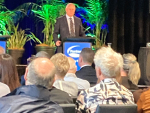
 DairyNZ strategy and investment leader for sustainability, Rick Pridmore,
A farmers' forum to be held next month will help farmers understand the current financial climate and what they can do to manage through it, says DairyNZ.
The two-day event in Hamilton is expected to attract 700 farmers.
The speakers' line-up will be spearheaded by Deputy Prime Minister Bill English and Fonterra chief executive Theo Spierings.
DairyNZ strategy and investment leader for sustainability, Rick Pridmore, says the event will give dairy farmers insight into how to adapt their businesses to the times and how the global environment will shape the future of NZ milk production.
"Adapting to the changing environment is more important than ever," Pridmore says. "Farmers are looking hard at where they can improve their businesses."
On day one English will speak on the Government's view of dairying's future, and Spierings will speak about what the dairy industry needs to do well to succeed.
Other keynote speakers include Tim Hunt, Rabobank head of food and agribusiness research and advisory, who will speak about what is happening in global markets and what this means for NZ dairy farmers.
Day two keynote speakers include Zespri International chief operating officer Simon Limmer and grower Ian Greaves, who will outline lessons learnt by the kiwifruit industry after the PSa outbreak.
"The Farmers' Forum is a great opportunity for dairy farmers. It's rare to hear from a line-up of speakers of this calibre at a single event, and it is important to get off-farm and interact with other farmers," says Pridmore.
Farmers can also choose from 11 workshops over two days.
A workshop by Lincoln University's professor of trade and environmental economics, Caroline Saunders, will address what overseas customers want from our milk and what they are willing to pay for it.
A panel discussion of dairy company leaders will look at value add, including Tatua chief executive Paul McGilvary, Open Country Dairy chairman Laurie Margrain, Miraka chief executive Richard Wyeth and Lewis Road Creamery co-founder Peter Cullinane.
Waikato University agribusiness professor Jacqueline Rowarth will host a workshop discussing genetic modification and whether it should be part of the industry's future.
Other workshops include a pasture-first strategy, exploring whether $3/kgMS farm working expenses is doable, staff roster systems, growing better quality and more persistent pastures, breeding better cows and dealing with environmental constraints.
The forum is free to levy paying dairy farmers and their staff. Registrations are open and essential prior to the event. To view the full programme or register, visit www.dairynz.co.nz/farmersforum
Event details
• DairyNZ Farmers' Forum 2016
• May 17-18
• Mystery Creek Events Centre, Hamilton
Speakers include:
• Deputy Prime Minister Hon Bill English
• Fonterra chief executive Theo Spierings
• Fonterra chief operating officer velocity, Jacqueline Chow
• Rabobank head of food and agribusiness research and advisory, Tim Hunt
• Lincoln University's trade and environmental economics professor, Caroline Saunders
• Waikato University agribusiness professor, Jacqueline Rowarth
• Entrepreneur Melissa Clark-Reynolds.
Farmers have until the end of this week to help shape DairyNZ’s future focus.
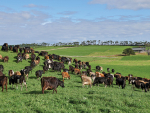
The New Zealand dairy sector set a record in the 2025/26 season, producing more than two billion kilograms of milksolids for the first time.
Students will be able to study Agriculture and Horticultural Science from Year 11, creating a clear pathway into Years 12 and 13 and future careers in New Zealand’s primary industries, Education Minister Erica Stanford says.
OPINION: New Zealand dairy is delivering. In the year to June, dairy exports earned a record $28.8 billion for New Zealand. They were part of a record $65.2 billion earned by our wider food and fibre sector.
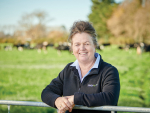
Today, 15 October, is the International Day of Rural Women, which recognises rural women’s contribution to farming, communities and the environment.

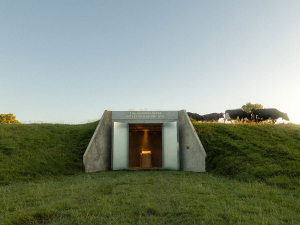
Halter has launched Mav, an AI farming assistant that lets dairy farmers ask questions about their herd and pasture and get answers drawn from the data the company’s collars already collect.

OPINION: At first glance it appears that Father Christmas has delivered the rural sector good tidings, with most pundits predicting the return of the centre-right coalition.
For 15 years, Glenda Rees has travelled from Gore to Awarua, often several times a week, to keep watch over one of the country’s rarest birds.
With some farmers opposing a government-industry partnership set up to develop methane reducing products, one NZ company claims that it already has a product on the market.
During the nesting season, from September to December, industrious starlings can quickly build nests in the darker areas behind tractor and vehicle, usually close to hot engines, typically resulting in localised damage or in some cases complete write-offs.
The meat processing industry is much more collegial than it was in the past and is now more focused on common goals.