The Ministry for Primary Industries (MPI) says it’s happy with the way farmers are preparing for the new bobby calf regulations to be enforced from August 1.
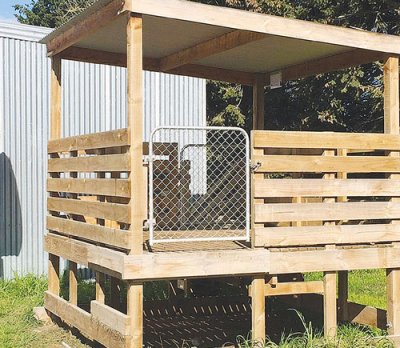
These require farmers to provide a covered pen with water, built so that calves can walk onto the truck rather than be manhandled.
Graphic video footage of this helped change the regulations.
Paul Dansted, of MPI, told Dairy News they have seen industry groups and farmers getting busy to have the correct facilities meet the new regulations.
“We are hearing that farmers know what to do and how to do it and are onto it. We are conscious of the pressure on farmers, but as we see it they are making this a priority.”
Dansted says MPI knows that farmers in traditional dairying areas such as Northland, Waikato and Taranaki are having to do more work to bring older facilities up to standard or install new facilities, whereas farmers in newer dairying areas with newer facilities are having to do less work.
“There are many ways farmers can meet the shelter and loading facility regulations; we intentionally did not give building requirements so people can find a solution that works for them.
“We have seen some great examples out there, from DIY jobs through to store-bought solutions,” he says.
MPI staff have been working A&P shows and got good feedback at Fieldays. “A number of farmers told us they already had their facilities in place and that’s positive.”
Dansted says everyone is responsible for treating bobby calves properly, including people directly in the supply chain -- truckers and meat processors, and member of the public.
He says the onus is on farmers to comply with the new regulations, and truckers have the right to refuse to pick up animals if they are in poor condition or not housed in proper pens.
“We have many MPI staff across the country who routinely interact with farmers, transporters, processors and industry groups who all play a compliance role.
“We also have over 200 vets stationed at slaughter premises, and vets and other verifiers who carry out audits at saleyards and on farms.
MPI will be “pro-active” this season to ensure compliance. Staff who come across any issues will refer them compliance officers for action if necessary.