DairyNZ Sets Out Election Priorities for Dairy Farmers
Election years are always a concerning time for farmers, according to DairyNZ chair Tracy Brown.
 increase font size
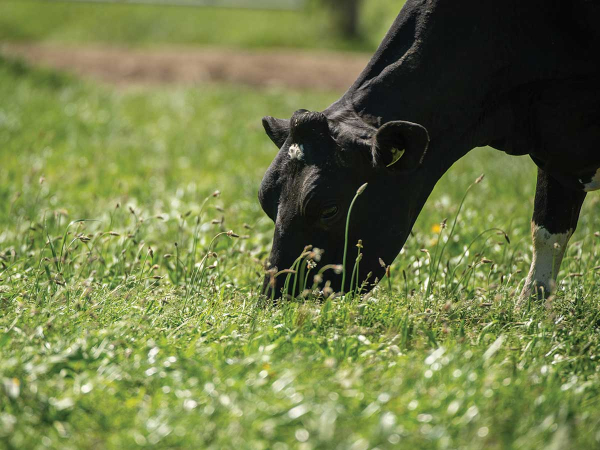 DairyNZ is looking to address long-term pasture persistence and productivity.
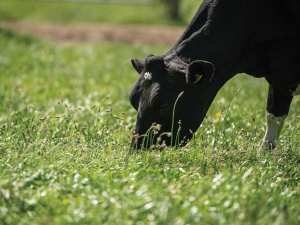
Farms across the upper North Island are trialling different pasture mixes as part of a research programme that aims to build greater resilience into farming systems.
As farmers look for pasture species better suited to increasingly variable weather conditions, DairyNZ is leading one of the country's biggest research programmes to address a gap identified by farmers: long-term pasture persistence and productivity.
As part of the Resilient Pastures programme, farmers have made it clear they need better information on how alternative pasture species perform on farm, and what establishment and management practices make these alternative species successful, DairyNZ senior scientist Dr Elena Minnee says.
During its first year, the programme has built a network of 15 farms across Waikato, Bay of Plenty and Northland, where farmers are testing a range of pasture species under commercial farm conditions.
The 15 network farmers have all planted three to five different species mixes and are monitoring and recording pasture growth.
"There has been an incredibly positive response to the Resilient Pastures programme," Minnee says.
Some of the network farmers have asked for more research on improved establishment and management guidelines for modern cultivars in current climates.
"The strength of this programme is that it's designed to stay responsive to what farmers are telling us they need," Minnee says.
"But it's also about connecting with farmers who've been testing different approaches and having successes."
In response, DairyNZ has initiated a trial at Scott Farm which will examine how different grazing management affects the persistence, productivity and quality of tall fescue pastures.
"It's about examining the benefits and any trade-offs in terms of long-term pasture production and persistence," Minee says.
"This grazing trial is informed by the practices top farmers are already using so we can quantify the benefit but also understand the underlying biological mechanisms."
Another season of variable weather events has only emphasised the importance for more resilient pastures to cope with periods of drought or high-rainfall events.
Network farmer Murray Jagger has been successfully growing tall fescue and cocksfoot-based pastures on his farm at Whangārei Heads in Northland for many years and says management is critical to getting the best results.
"Farmers have to unlearn what they've been taught around managing traditional ryegrass pastures and relearn how to manage these species," he says.
"If you treat them like a ryegrass pasture, you can run into trouble. Once you understand their growth pattern and manage them differently, they can perform really well."
The programme is key to gathering more data and knowledge around these alternative pastures, and eventually the industry can get more investment into breeding other pasture species, Murray says.
"It's a really critical piece of work. It's great there's been value seen in doing this programme to demonstrate that these alternative, more resilient pastures are actually not just additions to seed mixes, but a very valuable replacement to what we've been struggling with in ryegrass production."
The second year of the programme will focus on increasing farmer engagement through discussion groups and expanding data collection across the network farms.
The Resilient Pastures programme is a seven-year initiative led by DairyNZ with the Ministry for Primary Industries (MPI) and Beef + Lamb New Zealand, focused on improving pasture performance and persistence on dairy sheep and beef farms in the upper North Island.
Election years are always a concerning time for farmers, according to DairyNZ chair Tracy Brown.
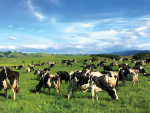
Most dairy regions around the country have had a pretty good season so far says Tracy Brown.
Researchers at Massey University are using a special piece of scientific equipment to improve the measurement of greenhouse gas emissions from pasture soils.
OPINION: It appears to be difficult for people who haven’t tried to run a business to understand the difference between assets and cash.
Matt Collier, Probiotic Revolution, says calves will drink a lot of milk once-a-day with their probiotic Calf Xtreme.
Farms across the upper North Island are trialling different pasture mixes as part of a research programme that aims to build greater resilience into farming systems.
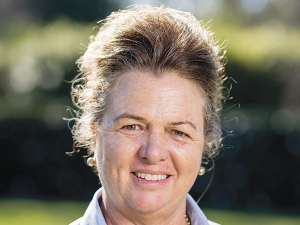
Election years are always a concerning time for farmers, according to DairyNZ chair Tracy Brown.
The Ballance Farm Environment Awards are coming to the West Coast of the South Island.
Most dairy regions around the country have had a pretty good season so far says Tracy Brown.
Rural leader Mark Hooper has been appointed as an independent director to the NZPork board, bringing extensive farming, governance and advocacy experience to the role.
Opportunity says its land value tax (LVT) is unlikely to force farmers into a position where asset sales or increased debt are required.