Dairy farmers are one step closer to breeding cow with lower methane emissions, offering an innovative way to reduce the nation's agricultural carbon footprint without compromising farm productivity.
A study, jointly led by artificial breeding companies LIC and CRV, began in 2020 with a small-scale pilot trial involving methane testing of 20 bulls.
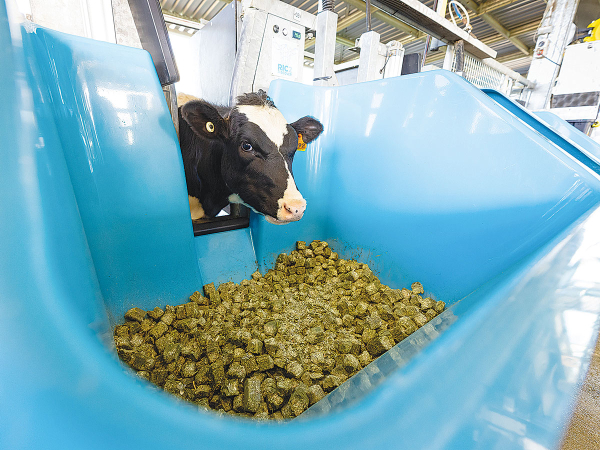
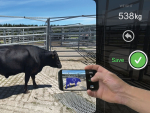
Since then the programme, funded by the New Zealand Agricultural Greenhouse Gas Research Centre (NZAGRC), has continued to evolve, and by the end of 2024 more than 1000 young bulls and 393 yearling heifers will have had their methane emissions and feed intake measured, with the goal of introducing a methane breeding value to all LIC and CRV artificial breeding bulls from late 2026.
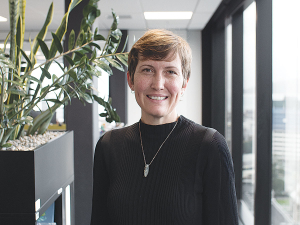
The study findings were presented last week by LIC's senior scientist Dr Lorna McNaughton at the New Zealand Agriculture Climate Change Conference in Wellington.
The findings show that genetic variation can influence how much methane is produced by heifers and that bulls identified as low methane emitters pass this trait on to their daughters.
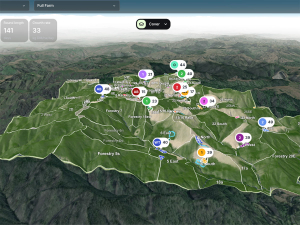
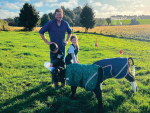
In the first phase of the research, it was found that bulls varied by up to 20% in the amount of methane emitted per kilogram of feed consumed. During this phase, the highest and lowest emitting sires were selected to produce a herd of daughters at Pāmu Farms of New Zealand's Wairakei Estate in the Central Plateau, with the emissions from these daughters having recently been measured.
"Throughout the programme we've been able to rigorously monitor and measure bulls and heifers to confirm that bulls with low methane emissions could produce daughters emitting less methane per kilogram of feed consumed," says LIC chief scientist Dr Richard Spelman.
"This proof-of-concept study demonstrates the genetic variation between high-emitting and low-emitting bulls and we're now looking forward to the next critical step where we'll measure emissions from their daughters during their first milking season in 2025."
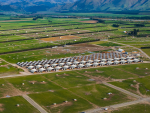
To support this next step, a state-of-the-art research barn is being constructed to allow for the large-scale monitoring of these lactating cows.
"While the last three years of results are promising, and closely aligned to our predictions, this next stage of testing will allow us to confirm the research finding across generations," says Peter van Elzakker, grass fed genetics manager at CRV.
With nearly half of New Zealand's carbon emissions attributed to methane, this research illustrates how the agri-sector illustrates how the agri-sector is working together to support the nation's climate aspirations.
"I'm extremely proud to be part of the solution when it comes to emissions-intensity reduction targets and I am excited by the future prospect of offering farmers low methane-emitting genetic solutions," says LIC chief executive, David Chin.
"This research is just one example of how we must work together and continue to innovate as we look for new ways to address climate challenges and I'm excited to see the work progress into 2025," says CRV managing director, James Smallwood.