Ah Tatua, You've Done It Again!
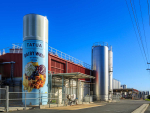
Waikato milk processor Tatua has again declared a record milk payout to farmer shareholders, leaving other processors in the dust.
 increase font size
 The record milk price - $9.30/kgMS - was paid out in 2021-22 season.
ASB has become the first bank to forecast a milk price above $9/kgMS for this season.
Senior economist Chris Tennent-Brown says the bank is lifting its forecast by 60c to $9.20/kgMS. The record milk price - $9.30/kgMS - was paid out in 2021-22 season.
He notes that rather than the downward sloping prices seen across the Global Dairy Trade (GDT) contract curve for whole milk powder prices at earlier events, they are now seeing the curve flatten, with average winning prices above US$3,500 MT over all contracts and WMP products, right through the key part of the season.
“Dairy prices are up significantly on year-ago levels, and we think Fonterra should have been able to already complete the bulk of this season’s USD hedging at a similar effective rate to last season’s US$0.6120. So we think Fonterra’s confidence to lift the milk price forecast range is well placed.
“In fact, we’re lifting our forecast for the season by 60c to $9.20/kgMS. It’d be great to see the previous $9.30 milk price record get broken, but we’ll wait to see a bit more of the season’s price action before calling that.”
He says how Fonterra can manage its product mix will be important, as well as the obvious importance of the trajectory for prices.
“We are not alone in expecting whole milk prices to trend lower at this time of the year, as they often do. But the opposite has been happening as Fonterra is hopefully capturing as much as possible of the very high prices in other products. There’s a balance of risks around any forecast, but at this juncture, we are comfortable to be picking a farmgate milk price in the top half of Fonterra’s forecast range, north of the $9 midpoint.”
Waikato milk processor Tatua has again declared a record milk payout to farmer shareholders, leaving other processors in the dust.

Synlait has swung to second-half profit as operations stabilise, but the dairy processor still posted a $75.4m annual loss.
A 'tsunami' of milk from key exporting countries is winding down and this may be good news for New Zealand dairy farmers.
Most dairy regions around the country have had a pretty good season so far says Tracy Brown.
Milk powder prices are keeping farmgate prices up, helping processors offset the dip in milk fat prices.


Farmer-owned fertiliser company, Ballance Agri Nutrients is welcoming National’s plan to negotiate security agreements with key supplier countries to protect New Zealand-bound products from export restrictions and greater supply chain certainty.

Carrfields has announced the appointment of Stu Hall to the newly created role of chief operating officer, Carrfields Ltd, reflecting the continued growth of their agribusinesses and the need to ensure the company has the leadership capacity and support in place as it pursues the emerging opportunities ahead.
New Zealand's role is not to compete with Indian growers, according to NZ Apples and Pears.
The potato industry is celebrating the success of two rising stars - James Blair, the 2026 Young Grower of the Year and runner-up and innovation award winner, Amber Davy.
Twenty-eight emerging leaders from across the horticulture sector spent two days last month learning valuable skills and connecting with industry experts.
There are five entrants in this year’s Young Horticulturist of the Year, competing in a series of technical, practical, business and leadership challenges.