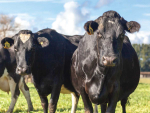
BCS Targets: Why Body Condition Score Matters at Calving
Body Condition Score (BCS) is a critical element in managing the health and reproduction of the dairy herd.
 increase font size
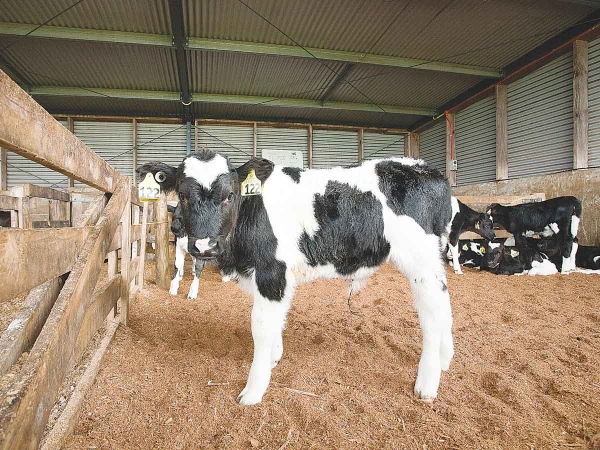
Magnesium plays a vital role in the prevention of milk fever.
It is essential for the efficient absorption and resorption of calcium. Supplementation with magnesium has the largest effect on decreasing the incidence of milk fever.
Supplementing with magnesium for two to three weeks pre-calving will reduce the risk of milk fever. However it does not build up a store of magnesium, and continued supplementation will be required during early lactation.
Milk fever increases the risk of other metabolic diseases and infections, such as ketosis and metritis, and approximately 5 percent of downer cows do not recover.
The dairy cow obtains calcium from her diet or from stores in her bones. Although there are substantial amounts of calcium available from these sources, the absorption from the intestines, or resorption from bone, is under tight hormonal control and is affected by other minerals (e.g. phosphorus and magnesium) and vitamins (e.g. vitamin D).
With the onset of lactation, and production of colostrum, the cow's requirement for calcium increases substantially (400% increase in a day).
To meet these calcium requirements, the cow must increase both the absorption and resorption processes. Any factors that interfere with these processes mean the cow cannot meet the increased demand for calcium, and this results in lowered blood calcium concentration and milk fever.
Body Condition Score (BCS) is a critical element in managing the health and reproduction of the dairy herd.
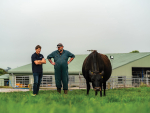
The transition period is the make-or-break window for your entire season. If this period is poorly managed, you don't just see a few downer cows, you see a downward spiral that affects the cow's health, production and reproduction long into the season.
Body condition scoring ewes at least six weeks out from mating can make a significant difference to conception rates and scanning percentages.
Hit the ground running this mating with these foundations for success.
While the recent payout announcement is not the news dairy farmers were hoping for, it’s an opportunity to review on farm performance with a specific focus on protecting your farm’s profitability.



Now in its fourth year, the 2026 Fencing Industry Awards, formed part of the proceedings of the FCANZ Conference, held in Nelson during August.
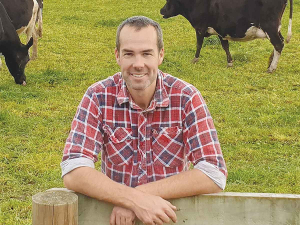
DairyNZ deputy chair Cameron Henderson has been re-appointed unopposed for another term.
OPINION: The stats speak for themselves.
Farms across the upper North Island are trialling different pasture mixes as part of a research programme that aims to build greater resilience into farming systems.
Election years are always a concerning time for farmers, according to DairyNZ chair Tracy Brown.
The Ballance Farm Environment Awards are coming to the West Coast of the South Island.