International Day of Rural Women: Two DairyNZ Farmers’ Stories
Today, 15 October, is the International Day of Rural Women, which recognises rural women’s contribution to farming, communities and the environment.
 increase font size
 Everyone in a farm team needs to tackle ‘the M word’ on a daily basis.
Everyone in the farm team, from owner to employee, can boost their motivation during calving by understanding how to tackle ‘the M word’ on a daily basis.
DairyNZ people team developer Alexandra Fjelstrup says motivation is the desire to do things -- the difference between waking up before dawn feeling ready to tackle the day versus waking up “wishing I was somewhere else”.
“Motivation is a crucial element in getting through tough times successfully with energy to spare. Studies have shown you can influence your own level of motivation and that of others.”
Tackling calving with motivation starts with increasing the feeling of autonomy, capability and social relationships within the farm team. Applying these elements will make for a more successful calving.
Everyone is motivated by different things, eg money, not being shouted at, or simply the routine of doing a job day in, day out.
Motivation can be split into two different types: external and internal.
External motivation is the prompting to do something because it leads to a certain outcome, eg money. Internal motivation is doing something because it is interesting or enjoyable.
“It requires a certain type of management to inspire internal motivation within the team for them to go through stressful times while finding their job interesting and enjoyable,” says Fjelstrup.
“Some farmers have discovered that the key to success during tough times is using internal motivation which never fades away, even when the ‘going gets tough’.”
A Canterbury farm owner recently reinforced this.
“When it’s cold and wet and your team has worked for many hours, you can’t rely on them to be motivated by [the memory of] the two days they had off back in June or the pay they will get in five days. You will have to rely on their inner motivation and drive, which boils down to how you can inspire this as a manager.”
Fjelstrup says farm managers, 2IC’s, sharemilkers, contractors – anybody with people responsibility – can inspire internal motivation within their team by focusing on turning up the feeling of autonomy, capability and social relationships within each individual on the farm.
Autonomy, or self-sufficiency, is particularly critical in creating and maintaining motivation. It comes from people feeling they have a say in their day, or a choice. Choice provides a sense of self-determination.
Examples from farmers who are great at inspiring autonomy are:
Providing the individual with some control over how to structure and plan their day
Giving the individual certain responsibility and let them know why they are responsible for these areas
Giving the individual the choice of ‘how’ they will do the job
Making the team feel included in decision-making.
Ensuring capability within a farm team will help increase internal motivation. Capability is when someone feels capable of doing the job they are given.
Farmers constantly looking to grow their team are taking the right steps towards increasing internal motivation. They will train the team day-to-day and give them opportunity to go to off-farm events such as MilkSmart, discussion groups or AgITO courses. Many are also aware of where individual team member’s development areas are and regularly review their performance.
Another way to inspire internal motivation is by creating social relationships. Studies have shown that one of the main drivers to people’s happiness is the social relations in their life; not becoming everybody’s best friend, but taking time for people.
Think: ‘do I take small coffee breaks together with the farm team?’ and ‘do I remain calm and respectful to people in my team when things get tough?’
Other questions include whether weekly meetings are held with the farm team and whether goals for the week are communicated. All these small things can make a huge impact on a team and the social dynamic during calving.
Ways to motivate your team
Inspire internal motivation within the team by focusing on turning up the feeling of autonomy, capability and social relationships within each individual.
Autonomy: provide staff with some control over how to structure and plan their day, and give them certain responsibilities.
Capability: ensure staff have the skills to do the job. Provide opportunities to attend off-farm events such as MilkSmart, discussion groups or AgITO courses.
Social relationships: small things can make a huge impact on a team and the social dynamic during calving. Take coffee breaks together, remain calm and respectful when things get tough and have weekly meetings.
• This article first appeared in Inside Dairy August 2016 edition.
Today, 15 October, is the International Day of Rural Women, which recognises rural women’s contribution to farming, communities and the environment.
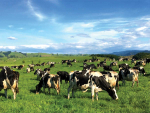
The first major update to the Dairy Cattle Code of Welfare in more than a decade has been released, marking what DairyNZ describes as an important step in ensuring animal welfare standards continue to evolve alongside scientific evidence and on-farm realities.
Have a plan in place for your cows and staff.
DairyNZ deputy chair Cameron Henderson has been re-appointed unopposed for another term.
OPINION: The stats speak for themselves.


National’s pledge to introduce 19 new national standards shows the party is serious about getting Wellington out of farming, Federated Farmers says.
The National Party’s policies to make it easier to grow fresh vegetables, secure reliable water and energy and simplify farm planning are practical changes that will give growers the confidence to invest, according to Horticulture New Zealand (HortNZ).
Fonterra Co-operative Group chief financial officer Andrew Murray has resigned to take up a role outside the dairy giant.
A major move is about to get underway to improve the quality and viability of dairy beef and cattle in NZ.
Veterinarians say changes to the code of welfare for dairy cattle provides a positive foundation for improved cattle welfare across the country.
Today, 15 October, is the International Day of Rural Women, which recognises rural women’s contribution to farming, communities and the environment.