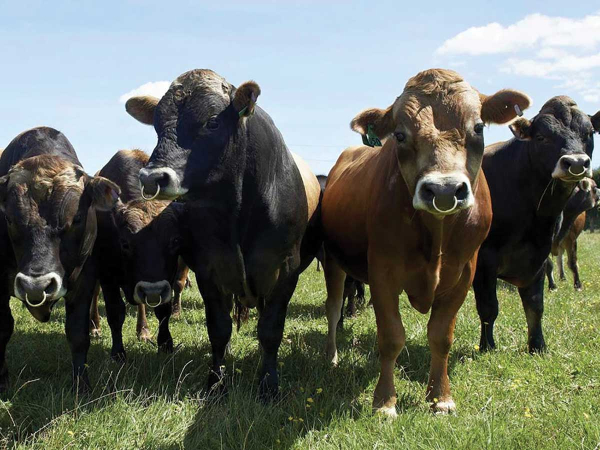
Bull management involves ensuring the right number of healthy bulls for your herd, minimising stress and reducing injury risks.
A correct ratio depends on your herd’s size and percentage of pregnant cows. Generally, one yearling bull per 20 heifers is advisable. Select bulls considering their health, age, size, and temperament. Keep bulls in good condition before and during mating periods, ensuring their diet and body score are appropriate.
Regular checks and quarantine are essential to maintain a healthy herd. Lastly, monitor their mating performance by comparing expected and actual in-calf rates.
Good bull management means running adequate numbers of bulls with the herd, reducing their stress, and handling bulls to minimise the risk of injury to people and animals.
The Right Number of Bulls
Having enough bulls when cows are likely to be on heat is important in ensuring good reproductive performance. The number of bulls required will depend on the number of cows or yearling heifers likely to come on heat while the bulls are with the group.
A minimum of two bulls should be with a mob at all times.
Bull Power for Yearling Heifers
Run one yearling bull per 20 yearling heifers at all times to cover the poorer performance of yearling bulls. Ensure there are always at least two sexually active bulls running with each mob throughout the mating period. Bulls are typically run with yearling heifers on an all-in basis. You may want a few extra bulls around in case any need to be replaced. The ratio should be about one bull to 15-20 heifers.
Managing Return Heats After a Synchrony Treatment
If you are using heat synchrony, and returns will occur when bulls are running, you need to estimate the minimum number of bulls running with cattle during this period (using one bull per 10 non-pregnant cows). Alternatively, recommence heat detection and AB for three or four days, starting 19 days after the previously synchronised inseminations.
Bull Selection
To make sure bulls are sexually mature and able to serve, bulls need to be well grown. By the time a bull reaches 14–15 months, they should have achieved 50% of their mature weight. This should increase to 85% by two years of age.
To maintain the health of bulls and all other animals, ensure that bulls receive the same vaccination programme as the heifers and cows. Develop a drenching programme with your vet as well.
Managing Bulls
Before Bulls Arrive On Farm
Bulls need to be kept in good body condition, particularly in the 3 months prior to their mating start date. Several weeks before the bulls will be used, make any required diet changes to ensure bulls are not too fat or too thin. They should be in body condition score 4.5 to 5.5 prior to mating. Body condition score bulls well before mating to give you time to make diet changes.
Consider veterinary examination of bulls at least a month before the bulls start work. Examinations range from a simple physical exam to a serving ability test, or a full assessment of semen quality.
Bulls Arriving On Farm
Good bull management will ensure bulls are well adjusted to their environment before mating and have been through a biosecurity quarantine. Bulls should be moved to the farm between two to three months and ten days before they are required for work. Split the bulls into teams for rotating (half resting, half working) to reduce fighting.
On Arrival:
- check for any injuries that may have occurred during transport
- quarantine for 10 days and observe for any disease or walking defects
- trim hooves if necessary
- walking among them observing for any individuals showing aggression or 'stalking' behaviour, especially Jersey bulls - they may not be suitable to run with the milking herd.
Choose Wisely
Considerations When Choosing Bulls:
- Select bulls from a bull rearer or leasing service with a reputation of growing and delivering healthy bulls. Query what disease exposure bulls may have had like Thieleria or BVD. Insist on bulls certified free of TB, BVD, IBR and EBL, and blood test negative for Johne's Disease. If unsure about Johne's, discuss with your vet.
- Insist on bulls certified fully vaccinated for leptospirosis and BVD. They must have been vaccinated twice initially, 4 weeks apart and then boosted with a single shot annually for each of these diseases.
- Use bulls that are no more than 3 years old. Older bulls can be temperamental, difficult to manage and are more likely to have injuries to the penis, back or legs. They increase the risk of injury to both the cattle and to the people working with them.
- Choose virgin bulls whenever possible as they are likely to introduce venereal diseases to the herd; but avoid using bulls that are less than 15 months old. If using non-virgin bulls, discuss testing for the venereal diseases, Trichomoniasis and Campylobacter with your vet.
- Use bulls that are likely to minimise the number of calvings requiring assistance, especially with the heifers.
- Select bulls ideally from the same mob. This will reduce fighting when they are with the herd. Otherwise the bulls need to arrive earlier to establish their social order well before mating start date.
- Exclude fully horned bulls and those with deformed feet.
- Select bulls of similar size to the cows or heifers to be mated. If bulls are substantially heavier than the cows or heifers (e.g.>100kg heavier) then injuries to both bulls and cows are more likely. Observe bulls serving tall cows; ensure they are able to serve correctly. Also observe larger bulls serving cows. If the cows collapse under the weight, find lighter bulls.