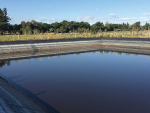
Dairy Effluent Management: Right Amount at the Right Time
Good effluent management on a dairy farm combines a well-designed system with proper processes to ensure the right amount of effluent gets applied to pasture at the right time.
 increase font size
 Waimea Irrigators Ltd chairman Murray King.
Horticulture is set to grow in Nelson as the clock ticks down on a long-awaited dam in Lee Valley.
The Waimea Community Dam, due to be commissioned in February 2022, will release stored water from the headwaters of Lee River to the Waimea Plains. It’s set to be a boon for pipfruit, which already generates high returns from a scarce supply of flat land in the region.
Waimea Irrigators Ltd (WIL) chairman, Murray King, is one of just two dairy farmers in the planned irrigation zone.
Together the farmers run less than 800 cows and King said livestock’s shrinking footprint on the plains was a natural migration of land use.
“Pastoral won’t foot it; you just won’t be able to sustain it,” he told Hort News. “There used to be significantly more livestock in the area and all that’s happened is that as land has become more valuable, people have moved into higher and better uses.”
King said the scheme was looking at ways to possibly expand irrigation outside the existing “zone of benefit” but there was not a huge amount of vacant land available.
Water shares were currently valued at about $6300 each – up $1300 on the original value of $5500. That’s an increase of about 15% on original values and water users will also have to pay annual charges of just over $600/ha per year.
The Superannuation Fund recently bought 111 shares from one of Nelson’s largest pipfruit businesses, Easton Apples.
“The important thing to remember here is that (Super Fund) bought an orchard with access to reliable water, that’s what it comes down to,” King said.
Easton Apples was part of a group of 14 agricultural businesses, Century Water Ltd, which 18 months ago committed $11.5m to keep WIL afloat, just when it seemed the proposed dam would be sunk by cost increases and a lack of support from Tasman District Council.
King predicted Super Fund investment would attract more interest in horticulture in the region, even if there was little land left for development.
“They do a significant amount of due diligence and they’re very thorough in their decisions – and at the end of the day they’re protecting other people’s money so they won’t be making rash investments.”
Only half of the amount of water stored in the scheme will go to irrigation. The balance would go toward urban supply and environmental projects “for the benefit of the river and ecosystem.”
The scheme was designed to maintain minimum flows in the river, in much the same way that Opuha Dam did in South Canterbury. About 30% of the stored water was for the benefit of the environment and for recreation, King said.
The scheme’s two major partners, Waimea Irrigators Ltd and Tasman District Council, will oversee the running of the dam company, Waimea Water.
Good effluent management on a dairy farm combines a well-designed system with proper processes to ensure the right amount of effluent gets applied to pasture at the right time.
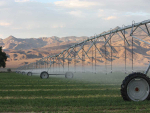
For years, IrrigationNZ has called for a coordinated national approach to water security, backed by enabling regulation, strategic infrastructure investment and sound technical practice. As the 2026 general election approaches, many of these priorities are now reflected in political commitments and legislative reforms. That represents significant progress, but the real measure of success will be turning policy into practical outcomes, says IrrigationNZ principal technical officer Stephen McNally.
Where any worker in the kiwifruit industry is mistreated, we expect the authorities to take action.
Kiwifruit growers are watchful but remain optimistic as concerns around the potential effects of the El Niño weather pattern this season.
There's been widespread support from the primary sector for the Government's announcement on changes to freshwater farm plans that come under the Natural Environment Bill, which is now set to replace the existing RMA.


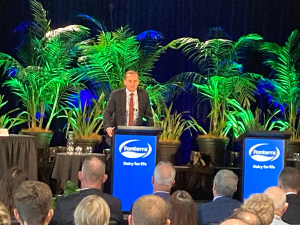
Fonterra’s 2026 financial year was a year of delivery, with record volumes of milk collected, processed and shipped by the co-op.

OPINION: The Government's decision to reinstate agriculture and horticultural science as a standalone subject from Year 11 is the right one.
Dairy farmers, still holding onto their Fonterra shares despite switching milk supply elsewhere or exiting the industry, now face a stricter share sell-down requirement.
Hamilton-based agritech company Aimer Farming has completed a $3 million capital raise to support its next stage of growth, including a beef farming product due to launch in 2027.
When dairy manager Miriam Lauridsen learned the farm, she was joining held weekly health and safety meetings, she initially thought that was “a bit over the top”. Experiencing that culture changed her mind.
Nominations are open for the 2027 Fonterra Dairy Woman of the Year Award.