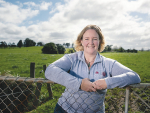
New Summerfruit NZ CEO
Dean Smith has been in the role of CEO of Summerfruit NZ for about four months, having succeeded Kate Hellstrom at the end of September.
 increase font size
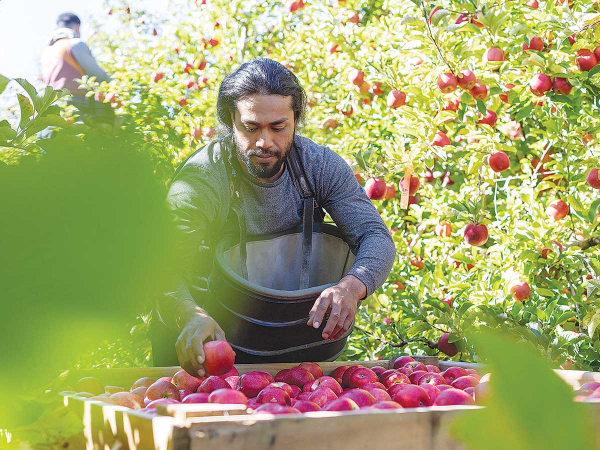 New Zealanders have heard the call from the country’s fruitgrowers to come pick their crops due to the lack of overseas workers because of the Covid-induced border shutdown. Photo credit: Paul Sutherland Photography
Industry body Summerfruit NZ says it’s had a “magnificent response” to the call for help from locals with this season’s harvest.
“With the pandemic closing borders to international backpackers and RSE workers, it was feared that there would be a shortage of people keen on moving to the regions to supplement local workers at harvest time,” Richard Palmer, Summerfruit NZ’s chief executive says.
Palmer says the industry body has collaborated with Ministry of Social Development, Ministry for Primary Industries, other industry organisations, councils and HortNZ to raise public awareness of the shortage.
He says New Zealanders have heard the call and responded in greater numbers than hoped for.
“The response overall across the summerfruit regions of Hawke’s Bay, Marlborough and Central Otago has been fantastic and many growers and packers have received far more applications than they would normally expect at this time of year.”
However, Palmer says there are still pockets of orchards that are having difficulty in attracting sufficient numbers of people.
“Mother Nature dictates when the season starts. This year it has been quite changeable and now looks to be three to five days ahead of 2019. That means the Cromwell Basin growers, where many export cherry orchards can be found, expect to start picking around 8-9 December.”
The cherry harvest usually lasts around six weeks, straddling Christmas and New Year, and is in full swing in January, with other summerfruit crops increasing in volume around then.
“Keeping people on board for the full cherry crop and then the other summerfruit crops is a major concern,” Palmer says.
“In the past, students work through to mid to late January and then international backpackers have filled their roles. We need to make sure the incentives are there to keep people employed as long as the work is available.”
Dean Smith has been in the role of CEO of Summerfruit NZ for about four months, having succeeded Kate Hellstrom at the end of September.

It has been another mixed season for the country's summerfruit growers.
The La Nina weather pattern has played a role in determining the fortunes of the summerfruit sector this season.
The summerfruit season has started well with plenty of high-quality fruit available and a workforce to pick it, according to Summerfruit NZ.
It's been a hard and stressful year or the country's summerfruit growers.


Federated Farmers has welcomed new rural policies released by ACT, saying they align closely with its own election priorities.

Rural Contractors NZ says proposed changes to land transport rules for agricultural vehicles are a welcome response by the Government to out of date regulations which have seen members hit with huge fines.
Alliance is calling for final applications for its 2027 Graduate Programme, with applications closing on Sunday 25 October.
Decades piloting planes has ensured vet and farmer David Hayes is focused on safety. So, after a serious accident while welding on farm, he is sharing his experience so others can learn from it.
Canterbury milk processor, Synlait Milk has confirmed Leon Fung as its chief executive officer.
OPINION: Making it easier to collect rainwater and use it to grow crops and livestock is a no brainer.