
James Blair Named 2026 Young Grower National Champion
James Blair, an agronomist for AS Wilcox and the Pukekohe regional champion, has won the 2026 Young Grower national title.
 increase font size
 Director of the HortNZ Leadership Programme, Sue Pickering.
Horticulture is in a growth phase and has ambitious goals, says the director of the HortNZ Leadership Programme, Sue Pickering.
Many people who have been a long time in the industry are now looking towards retirement, she says.
“The whole realm of succession, and people with skills and leadership qualities, has become high on the radar. It means programmes like this are popular, and people are recognising the need for them.”
Last year, a record 35 people applied for the 18 places available on the course. “We’re finding a real demand at the moment.”
A 25-year veteran of the horticultural industry, Pickering has held roles in HortNZ including senior business manager and acting chief executive, developing such initiatives as the Leadership Programme and the Young Grower of the Year.
She has recently struck out on her own with a business coaching consultancy but continues to run the Leadership Programme for HortNZ.
Having started in 2001 with 12 participants a year, it is going “from strength to strength” and now has at least 225 graduates, many of them now “popping up everywhere” in the industry. A survey of horticultural employers last year also gave it positive feedback.
Pickering runs the course with the help of two other directors -- Lincoln University professor Tony Zwart and Dr Patrick Aldwell.
The programme runs between August and October each year in three parts: a four-day residential at Lincoln, a six-week project in which each participant works on their own personal and professional development, then three days in Wellington where they present their projects and get an introduction to the country’s regulatory and administrative landscape.
Pickering says an objective of the programme is to give participants an understanding of how Wellington works from an industry leadership point of view. They get to call on and discuss the state of the industry with the Minister of Agriculture.
“We’re very lucky to have had that connection ever since the year dot,” she says.
“The context of this is some of the bigger issues in industry -- biosecurity, environment, natural resources, labour issues -- across the board. We connect with folks who are already leading, and focus on strategic thinking at all different levels -- whether industry, organisational or individual.”
Pickering says there is no age limit to participation and past attendees have ranged from their early 20s to their mid-50s. It is open to anyone committed to horticulture and who either shows potential for or is already in a leadership role in the industry.
“That diversity of ages is a real advantage point for the programme because we work with the people in each year. We find part of the philosophy of this programme is that there’s a lot to be gained from the participants themselves. They find they’ve got a lot in common. They feed off each other and the issues that we work with.
“You can have kiwifruit folk, cherry growers from Otago, someone from the corporate T&G world, someone from the citrus area north of Auckland; you name it, we have it, across different types of businesses, across different sectors and across the regions.”
Entries for this year’s course open in early March and close on May 31.
James Blair, an agronomist for AS Wilcox and the Pukekohe regional champion, has won the 2026 Young Grower national title.
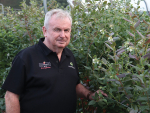
Blueberries have the potential to become a major horticultural export, earning up to $150 million within the next three to five years.
New Zealand needs to make sure that it continues to focus on its own food security, according to HortNZ board member and blueberry grower Dermott Malley.
According to a progress report on the Aotearoa Horticulture Action Plan (AHAP), New Zealand's horticulture sector is making real progress on the big issues facing growers.
Horticulture New Zealand’s Board has welcomed the re-election of grower-elected directors Alistair Petrie and Doug Brown.


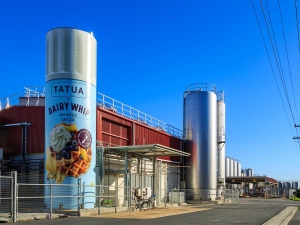
Waikato milk processor Tatua has again declared a record milk payout to farmer shareholders, leaving other processors in the dust.

A Labour-led Government won’t be bringing back the controversial freshwater rules of 2020.
National’s much-touted free trade deal with India featured in the Rural Issues Debate at Mystery Creek, Hamilton on Wednesday night.
New Zealand's 2026-27 freshwater fishing season has opened, with anglers encouraged to head to rivers and lakes over the coming days as conditions look favourable across much of the country.
Central Otago District Council (CODC) has voted against a plan to spread treated sewage sludge from Cromwell and Alexandra on farmland near Lauder, a decision Federated Farmers says reflects strong opposition from rural residents.
Pāmu has released its FY26 Integrated Annual Report, reporting a Net Operating Profit of $113 million, more than double the $49 million recorded in FY25.