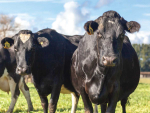
BCS Targets: Why Body Condition Score Matters at Calving
Body Condition Score (BCS) is a critical element in managing the health and reproduction of the dairy herd.
 increase font size
 Under a reinstated live export programme LENZ is pushing for a ‘Gold Standard’ for the export of livestock from New Zealand.
Live Export NZ (LENZ), the industry group behind reinstating live exports, says that in 2020 New Zealand exported $255.89 million of live cattle to the rest of the world.
“Live exports have made up roughly 0.2% of all agriculture revenue since 2015. In the past 10 years, around 5000 farmers across New Zealand have supplied breeding cattle for export, with an average of over 40 animals per farm.”
LENZ claims that additional to the livestock value farmers receive directly, a shipment of around 3000 animals can return roughly $1.5 million to New Zealand based service providers – including domestic livestock transporters, veterinarians, feed supply companies, quarantine facilities and regional accommodation providers.
“It’s the rural areas and rural service centres that see most of the economic benefits from the trade as this additional income circulates creating an economic multiplier effect.”
It adds that livestock for export usually attract a premium.
“This can be 50-85% of an animal’s value above the domestic market. Selling livestock for export is a useful income generator for rural communities.”
Under a reinstate live export programme LENZ is pushing for a ‘Gold Standard’ for the export of livestock from New Zealand.
“The Gold Standard system takes export welfare to a level unmatched internationally and contributes to New Zealand’s position as a premium producer of sustainable and ethically produced agriculture.”
LENZ adds that shipping under the Gold Standard will mean:
Body Condition Score (BCS) is a critical element in managing the health and reproduction of the dairy herd.
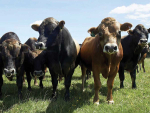
Bull management involves ensuring the right number of healthy bulls for your herd, minimising stress and reducing injury risks.
It's easy to look over a lush spring paddock and assume cows are getting enough usable nutrition. But while fast-growing pasture can give plenty of volume, in high moisture, variable dry matter and uneven mineral profile can leave real nutrition gaps when cows need it most.
Rearing facilities should be set up and maintained well to ensure calves stay healthy.
Solid biosecurity practices, regular monitoring and timely vaccination are the three key pillars of effective Bovine Viral Diarrhoea (BVD) control on New Zealand farms. Zoetis veterinary technical advisor, Karley DeFrees, explains BVD is a costly but preventative disease that impacts a significant number of dairy farms in New Zealand. Implementation of a BVD control plan can help protect your herd from this avoidable disease.



For Taupiri dairy farmers Logan and Sian Dawson, their involvement in the NZ Dairy Industry Awards has been a key catalyst in the growth of their business - the experience helping shape how they approach the farm ownership pathway they are pursuing today.
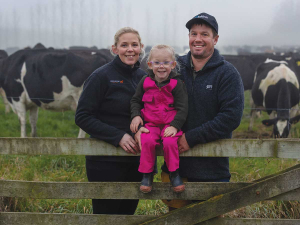
West Otago dairy farmer Luke Kane has been awarded the 2026 Rabobank Dr John Morris Business Development Prize.
OPINION: As the general election approaches, political parties are churning out policies in the hope of attracting more votes.
An LIC bull, Tronnoco AR Sadio-ET S3F, bred by Tony and Keri O'Connor of Tronnoco Farming Co Ltd near Timaru, has won the 2026 Mahoe Trophy.
With forecasters advising El Niño conditions will develop through winter and strengthen into spring and summer, Ballance Agri-Nutrients is encouraging farmers and growers to think ahead about nutrient planning and be prepared to work around challenging weather conditions.
A Palmerston North shearer has been sentenced to six months' community detention and 12 months' supervision after being found to have physically abused three lambs while shearing them.