Keep Your Food Safe This Festive Season: NZ Food Safety Tips
New Zealand Food Safety (NZFS) is reminding New Zealanders to keep food safety top of mind as they head into the festive season.
 increase font size
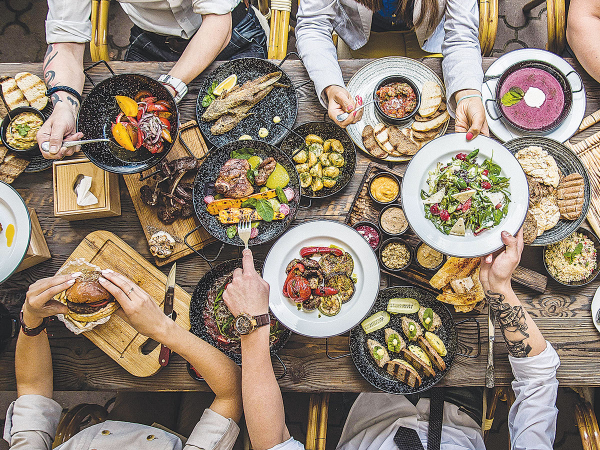 New Zealand Food Safety has launched a new campaign designed to help Kiwis avoid food poisoning this summer.
New Zealand Food Safety (NZFS) has launched a new campaign targeting foodborne illnesses during the festive and summer season.
NZFS deputy-director general Vincent Arbuckle says there tends to be a rise in cases of foodborne illnesses and linked hospitalisations during the summer season.
“The most commonly reported illness is campylobacteriosis – caused by Campylobacter bacteria – with our youngest and oldest having the highest rates of infection,” Arbuckle says.
He says that in 2021, there were 5,729 confirmed cases of campylobacteriosis, with 846 people needing hospital treatment, up from 718 in 2020.
“And 2022 looks set to follow a similar trajectory, with more than 5,300 cases nationally so far.”
Arbuckle says the most common source for the Campylobacter bacteria from food is raw or undercooked chicken.
He says one major thing consumers can do to keep themselves, their family and their friends healthy is to ensure raw chicken is handled safely.
“Cook it properly and use separate utensils and chopping boards, and, as with all food, don’t leave it out in the heat of the day, both before cooking and after you’ve finished eating.”
Te Whatu Ora Health NZ medical officer of health Jay Harrower says every year, thousands of people are diagnosed with campylobacter and for some it can be very serious.
“Across New Zealand campylobacter cases are spiking once again this summer, but there are simple steps everyone can take to reduce the risk to them and their whanau,” he says.
To assist with the NZFS has launched a new food safety campaign. Throughout a series of videos, NZFS’s two ‘Chicken Scene Investigators’ invite viewers to join them to spot the chicken handling crime.
“Campylobacteriosis symptoms are nasty. They include diarrhoea, fever, headache, muscle aches, abdominal pain, and vomiting. It may also develop into more severe illness such as Guillain-Barré Syndrome, a disorder in which the body's immune system attacks its nerves, sometimes resulting in permanent paralysis,” Arbuckle says.
Anyone suffering from symptoms can call Healthline on 0800 611 116, or contact their doctor or practice nurse for advice.
“So, wherever you’re gathering – from BBQs to work dos, beach parties to kai at the marae, Christmas lunch or potluck dinner – make sure you don’t contaminate your plate this summer.”
Tips to stay safe from food poisoning this summer
New Zealand Food Safety (NZFS) is reminding New Zealanders to keep food safety top of mind as they head into the festive season.

New Zealand Food Safety (NZFS) says it is supporting importer Goodfood Group in its decision to recall Food Snob and Mon Ami brand French Brie and Camembert cheeses.
An Auckland man who illegally killed and sold pigs and a chicken has been fined $8,000.
An Auckland woman has been fined $25,245 and an Auckland man has been ordered to do 300 hours of community service for the illegal slaughter and sales of pigs.
New Zealand Food Safety (NZFS) is sharing simple food safety tips for Kiwis to follow over the summer.


An Auckland gelato shop and an established New Zealand ice cream maker have both been named Supreme Champions at the NZ Ice Cream & Gelato Awards 2026.

As the cost-of-living crisis continues to put pressure on household grocery budgets, new figures show pork remains one of the most affordable fresh meat options for New Zealand families.
OPINION: In politics, credibility is and should be big. It must surely rank higher than charisma, which is quite trite and superficial. Yet, voters nowadays are often wooed and influenced by how someone looks or talks at a superficial level. TV plays a huge role in this.
Farmers can spend less time on paperwork, thanks to a new data sharing agreement between DairyNZ’s DairyBase and LIC’s MINDA software.
Kaikōura families affected by July's severe storm have found a practical solution to a problem that's kept some children away from regular schooling for weeks: a washed-out section of Inland Kaikōura Road, which has stopped the local school bus from running its usual route.
Rural New Zealand is welcoming the Government’s recent package of rural healthcare initiatives.