Cameron Henderson Reappointed Unopposed as DairyNZ Deputy Chair
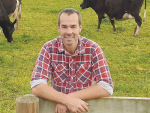
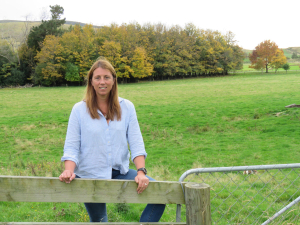
DairyNZ deputy chair Cameron Henderson has been re-appointed unopposed for another term.
 increase font size
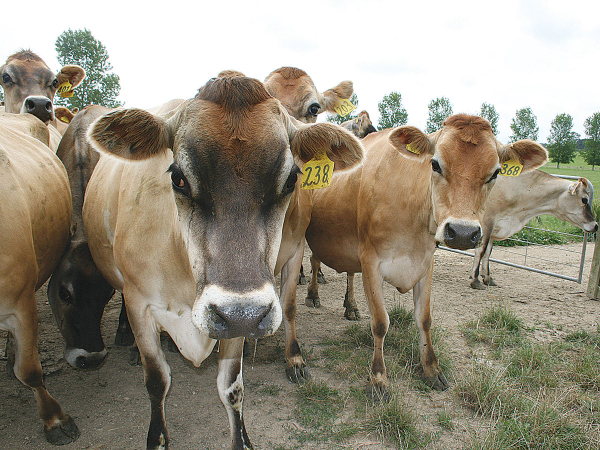 DairyNZ says the 66% reduction in the levy dairy farmers pay reflects the good progress made in response to M. bovis.
A biosecurity levy, imposed on dairy farmers to fight Mycoplasma bovis, will reduce by 66% from next month.
The Biosecurity (Response – Milksolids) Levy will reduce from 2.4c/kgMS to 0.8c/kgMS from July 1.
DairyNZ chair Jim van der Poel says the 66% reduction in the levy dairy farmers pay reflects the good progress made in response to M. bovis.
“When the sector works well together, we get results,” says van der Poel.
“While we may still see a few more cases, we are now approaching the surveillance phase and costs have reduced, thanks to a combined effort.”
The M. bovis Programme is now six years into a 10-year eradication plan with currently no active, confirmed properties.
DairyNZ is a partner in the programme, with the Ministry for Primary Industries (MPI) and Beef + Lamb NZ.
DairyNZ director Chris Lewis says the decision to reduce the Biosecurity Response Levy was made with confidence.
“We’re in a good place right now and this levy reduction will be some relief to dairy farmers, ensuring they do not pay more than is required. The programme to eradicate M. bovis has been at a huge financial and emotional cost to New Zealand farmers, yet the cost of letting it spread would have been much higher.”
The M. bovis eradication programme has cost around $722 million to date. It was estimated the cost of letting it spread would have been $1.3 billion in lost productivity in the first 10 years alone.
This is an important time too to highlight that good biosecurity practices and keeping NAIT records up to date will ensure the risk of M. bovis and other livestock diseases are minimised.
The industry cost share for the M. bovis Programme is 32% of the total cost, with DairyNZ paying 94% and Beef + Lamb NZ paying 6% of the industry cost share of eradication.
DairyNZ deputy chair Cameron Henderson has been re-appointed unopposed for another term.
Farms across the upper North Island are trialling different pasture mixes as part of a research programme that aims to build greater resilience into farming systems.
Election years are always a concerning time for farmers, according to DairyNZ chair Tracy Brown.
Most dairy regions around the country have had a pretty good season so far says Tracy Brown.


Farmgate lamb prices are down by 8%, beef cattle by 4.5% and farm expenditure up by 4.2%.
Kiwifruit growers are watchful but remain optimistic as concerns around the potential effects of the El Niño weather pattern this season.
Almond hulls sourced from Australian orchards may have the potential to help New Zealand cows reduce emissions, boost milk yield and lower input costs.
Striking a balance between meeting the needs of industry to speed up approval time for products but on the other hand ensuring that risks are properly assessed.
Surprised, humbled and quite thrilled. That’s the reaction of James Allen, one of the founding partners and now chief executive of AgFirst, on being made a life member of the Institute of Rural Professionals.