DairyNZ Resilient Pastures Trial Expands Across North Island
Farms across the upper North Island are trialling different pasture mixes as part of a research programme that aims to build greater resilience into farming systems.
 increase font size
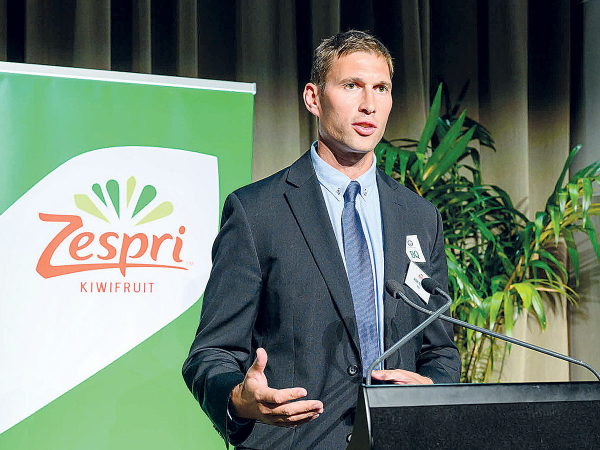 Zespri chief executive Jason Te Brake.
Zespri says it welcomes the recently signed Western Bay of Plenty Regional Deal, describing it as an important step towards supporting growth in the region and for New Zealand's kiwifruit industry.
The deal, signed earlier this week, is a long-term partnership agreement between the Government and the Tauranga City, Western Bay of Plenty District and Bay of Plenty Regional Councils.
It's the second regional deal the Government has signed this year following on from one signed with Auckland last month.
Infrastructure Minister Chris Bishop describes the Western Bay of Plenty as "one of New Zealand's economic powerhouses".
"From kiwifruit and forestry exports to freight, logistics and manufacturing, the region helps drive growth and jobs right across the country," Bishop says.
He says the deal brings together the three councils and Government in a shared commitment to plan, invest and deliver together for the long-term benefit of the region and New Zealand.
"When Western Bay of Plenty does well, New Zealand does well," he says.
"The region is a critical export gateway for our primary sector, connecting growers, exporters and businesses to international markets through the Port of Tauranga and key freight corridors."
Zespri chief executive Jason Te Brake says the region is critical to Zespri and the wider kiwifruit industry, with approximately 80% of New Zealand's kiwifruit grown in the region and over 95% of it exported through the Port of Tauranga.
"We are already seeing infrastructure constraints, and without action they will worsen as the industry grows," Te Brake says.
"This plan provides greater confidence that bottlenecks will be addressed and gives the industry more certainty to invest to meet future demand, while continuing to deliver value back to growers and the communities they support.”
He says the deal will also play an important role in supporting workers in the industry, including RSE workers, who are a critical part of the seasonal workforce.
“Access to housing and social infrastructure is essential to attracting and retaining the workers the industry and region need. A clear, coordinated plan helps ensure the Western Bay remains an attractive place to live and work."
Te Brake says that improving connectivity to the Port of Tauranga and its extension is a critical priority for the industry, one the industry hopes to see agreed as soon as possible.
"We acknowledge the Government, Tauranga City Council, Western Bay of Plenty Council and Environment Bay of Plenty and mana whenua as well as Priority One and members of the business community who have been involved in today’s announcement.”
Farms across the upper North Island are trialling different pasture mixes as part of a research programme that aims to build greater resilience into farming systems.
More signs of a booming kiwifruit sector.
Blueberries have the potential to become a major horticultural export, earning up to $150 million within the next three to five years.
Westpac NZ has become the first New Zealand bank to receive approval from the Reserve Bank of New Zealand (RBNZ) to secure and leverage kiwifruit growers' Zespri shares.
New Zealand's kiwifruit industry has welcomed Government co-investment in a new five-year programme designed to help growers produce higher yields of premium fruit, with less water, fewer nutrients and reduced environmental impact.


Mid Canterbury Federated Farmers arable chair, Bevan Lill, said Beef + Lamb NZ data indicated that for the last six years, the average arable return on investment was about 0.8% while inflation ran about 4% - so the average arable farm was going backwards at about 3% a year.

Seed and grain companies share the concerns of arable farmers about the viability of their sector, says Seed and Grain New Zealand chief executive Dr Sarah Clark.
The New Zealand Institute of Forestry (NZIF) says unnecessary changes to New Zealand’s Emissions Trading Scheme (NZ ETS) will seriously erode investor confidence and result in significant reductions in forest planting rates.
For the first time in a quarter of a century, Federated Farmers has something positive to say about the Labour Party’s climate change policy leading into a general election.
A warning for New Zealand seed and grain companies – be prepared for an exodus of farmers from the arable sector.
Now in its fourth year, the 2026 Fencing Industry Awards, formed part of the proceedings of the FCANZ Conference, held in Nelson during August.