The horticulture sector is going through a very ambitious growth phase and the Government wants to see it grow.
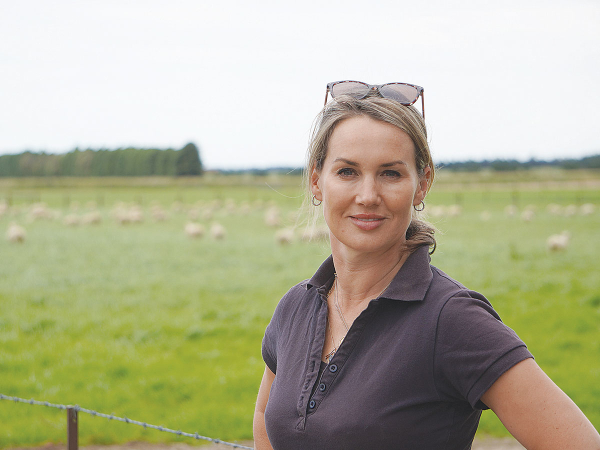
That's the message from Associate Agriculture Minister Nicola Grigg who has special responsibility for horticulture.
Just back in Parliament after six months on maternity leave, Grigg says while certain horticultural regions have suffered badly because of adverse weather, notably Cyclone Gabrielle, she believes there is a lot of "ambition" in the sector to move forward.
"Horticulture is rapidly turning into an $8 billion industry, which is exciting and lines up with the Government's goal of doubling exports in the coming ten years," she told Hort News.
Grigg says the Government has spent many millions of dollars helping growers in Hawke's Bay and Tairawhiti clean up the silt and restore some of the infrastructure destroyed by the cyclone. She says while there is still more to do in the area, the focus from a government point of view is to work on projects that will enable growers to improve their productivity. She says grower says they need help and point to things such as new cultivars and access to markets.
Grigg says a key focus of the Government now is to do things such as amending the old RMA, revising the NPS freshwater plans and supporting water storage. She says the Government's review of the banking system should also help growers to get better access to capital to get their operations back on their feet.
"During my maternity leave I went around Canterbury growers, making sure that their feedback is being heard by the relevant ministers, be that the Minister for the RMA, the Minister of Agriculture and so on, because the farmer or the grower is the end user of those regulations.
"They must feed their views into the systems, and I told them to get to that select committee and make a submission because you need to be heard and we need your expertise and information to make a good law," she says.
Grigg says she recently spoke at the Apple and Pear conference and told them that for too long the industry has been hamstrung by red tape and unsuitable regulation. She says she takes her hat off to the apple and pear industry for the way it has bounced back from Cyclone Gabrielle and other adverse weather events. She says changing the regulatory system to be more practical and farmer/grower friendly will make a huge difference.
"I am particularly impressed that the apple and pear industry is forecast to surpass the $1 billion in export revenue in 2024-25. This is a tremendous effort and speaks to the values of New Zealanders and the strength and resilience of growers," she says.
Grigg says NZ's regulations have not kept pace with genetic technologies and says this had made it difficult for NZ to capture the benefits of these new options. She says the new rules that governmen will introduce will be fit for purpose and future focused.