OPINION: The future of agricultural innovation is reliant on the sector being more open with its data.
This was my key message at a panel discussion I was invited to participate in at the National Agricultural Fieldays in Hamilton by the NZ Institute of Primary Industry Management.
Open, or freely available, data would help farmers to collaborate with each other and other stakeholders in the agricultural sector. Such collaboration could lead to the development of new technologies and practices that would benefit the entire sector.
Open data can provide farmers with the information they need to make better, data-led, decisions about crop planting, fertilising, animal health, pest control, and many other aspects of their operations.
Using open data to benchmark would enable the sector to make more data-led decisions and allow improvements in operations, yields, and environmental impact.
The New Zealand transport sector has done both things by sharing its data through the world's first national transport quality assurance tool, Transport Insights, build by Company-X.
Open data can be used to track the environmental impact of agriculture. This information can be used to develop more sustainable agricultural practices, such as reducing the use of pesticides and fertilisers.
At a higher, industry-wide level, open data could help farmers identify new markets.
Plenty of organisations are interfacing with primary industries around the world and using open data to innovate.
Trust Alliance New Zealand (TANZ) is working with open data to help make the primary sector more transparent, efficient, and sustainable. Its Data Hub is a repository of open data related to the primary sector. Its Digital Farm Environment Plan project is developing a digital platform that will allow farmers to share their environmental data with other stakeholders, such as government agencies and retailers. Its Digital Wallet project is developing a secure and convenient way for farmers to store and share their data.
The Food and Agriculture Organisation of the United Nations Sustainable Agriculture and Rural Development Knowledge Platform provides open data on a variety of sustainable agriculture topics. Its Aquastat database provides open data and is also being used to track data on water use in agriculture. This information can be used to develop more efficient water management practices in the face of climate change.
The Global Open Data for Agriculture and Nutrition initiative is working to make agricultural data more accessible and usable to help farmers track crop yields over time. This will help them identify areas where yields are low, and to develop interventions to improve yields.
The World Resources Institute’s Food Loss and Waste Data Explorer uses open data to track food production, distribution, and consumption. This information can be used to identify ways to reduce food waste, which is a major problem in the agricultural sector.
Open data has the potential to transform the agricultural sector. The future of agricultural innovation is reliant on open data.
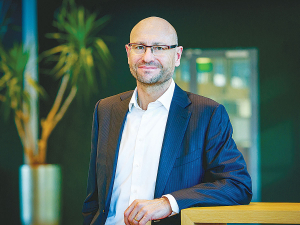
David Hallett is a cofounder and director of Waikato software specialist Company-X and is on the accreditation review panel for the Farm Data Code of Practice.