Ballance Farm Environment Awards Launch on West Coast
The Ballance Farm Environment Awards are coming to the West Coast of the South Island.
 increase font size
 Arthur Tsitsiras.
OPINION: Collectively we must support farmers to become sustainable.
A recent report by the New Zealand Institute of Economic Research showed that the dairy industry contributes $17 billion to the NZ economy.
The report also showed a 70% increase in export earnings per cow since 2001.
Dairy has the highest average salary amongst agricultural industries and is a top ten employer in half of New Zealand territorial authorities. The dairy sector’s economic activity also supports the regional economy, delivering 10% of GDP in Waikato, Southland, West Coast and Taranaki. It is the second largest contributor to economic activity in Northland and Manawatu, and the third largest in Canterbury and Bay of Plenty.
The dairy industry in New Zealand is not immune to challenges, however. A recent outbreak of Mycoplasma bovis, a disease which can cause mastitis and abortions in cows, led to 80 farms being tested positive for the disease.
Dairy farming is also impacted by the same set of variables that affect the agriculture industry as a whole: droughts, floods, storms, and fluctuating demands in its product.
The rise in plant-based milks is probably the newest threat and one that looks set to continue as the vegan movement rises across the globe. Forbes and The Economist have called 2019 the year of the vegan and the global vegan food market size is predicted to be worth US$ 24.3 billion by 2026.
In addition, dairy farmers are now expected to be conscious about their environmental impact. PM Jacinda Ardern recently announced that Kiwi farmers have a five year window to reduce their carbon emissions before the Government introduces financial penalties, potentially adding further stress to already overworked farmers. Ardern’s Zero Carbon Bill was passed in early November, with the aim of New Zealand being carbon neutral by 2050.
Waterway pollution, as a result of phosphorus and synthetic nitrogen fertilisers, is also hot on the agenda. The Government recently announced it would spend $12 million to help support farmers and communities clean up New Zealand’s waterways.
An Environment Ministry report in 2014 revealed that roughly 60% of New Zealand’s waterways are unfit for swimming and experts say water quality has deteriorated further since. Moreover, in a recent Colmar Brunton survey, 82% of respondents said they were “extremely or very” concerned about the pollution of rivers and lakes, more than any other issue including living costs, child poverty and climate change.
Clearly, farmers are behind the movement to make New Zealand more sustainable. A recent survey by Nielsen Research, which was commissioned by the Ministry for Primary Industries through the Sustainable Land Management and Climate Change Research programme, revealed that 92% of farmers are focused on making their farm more environmentally sustainable, up from 78% in the last survey of 2009.
Dairy farming, despite it being one of the biggest contributors to the New Zealand economy, isn’t without its challenges. It has now been presented a fresh hurdle in the form of the Government’s new environmental regulations.
Collectively we must support farmers to become sustainable. Farmers are onboard and actively want to be more sustainable, some 92% of them in fact. So it won’t be resistance or a want of trying that leads farmers to fall short of the Government’s climate emissions reform expectations. It’ll be that they haven’t been sufficiently supported.
• Arthur Tsitsiras is general manager of TerraCare.
The Ballance Farm Environment Awards are coming to the West Coast of the South Island.
There's been widespread support from the primary sector for the Government's announcement on changes to freshwater farm plans that come under the Natural Environment Bill, which is now set to replace the existing RMA.
The chair of the country's environmental regulator, the Environmental Protection Authority (EPA), says changes are already under way to improve the performance of the agency to better meet the needs of those who interface with them.
New Zealand's Emissions Trading Scheme (NZ ETS) encourages afforestation while not achieving climate goals, says a new report released by the Parliamentary Commissioner for the Environment, Simon Upton.
Retiring MP and dairy farmer Mark Cameron is blasting the Green Party for proposing to ban the use of synthetic fertiliser and cutting cow numbers.


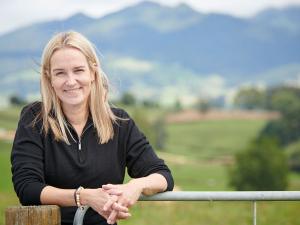
Minister of Conservation Hon Tama Potaka has appointed Susan O'Regan as Chair of the Queen Elizabeth II National Trust (QEII) for a three-year term.
Red meat farmers are welcoming Labour’s plan to review the Emissions Trading Scheme and not to campaign on pricing agricultural emissions.
Where any worker in the kiwifruit industry is mistreated, we expect the authorities to take action.
Mid Canterbury Federated Farmers arable chair, Bevan Lill, said Beef + Lamb NZ data indicated that for the last six years, the average arable return on investment was about 0.8% while inflation ran about 4% - so the average arable farm was going backwards at about 3% a year.
Seed and grain companies share the concerns of arable farmers about the viability of their sector, says Seed and Grain New Zealand chief executive Dr Sarah Clark.
The New Zealand Institute of Forestry (NZIF) says unnecessary changes to New Zealand’s Emissions Trading Scheme (NZ ETS) will seriously erode investor confidence and result in significant reductions in forest planting rates.