Fall Armyworm in NZ Maize: Four Years of Research
Four years since it was first detected in New Zealand, researchers and growers now know much more about management of maize pest fall armyworm (FAW).
 increase font size
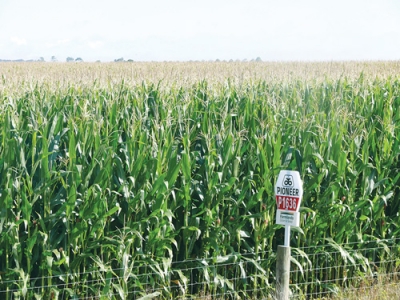 A Pioneer hybrid showing an even plant stand and good genetic purity.
Maize silage harvesting is now underway in most regions.
Most of the costs of growing a maize crop are fixed, so the higher the yield per hectare, the lower the drymatter cost and the greater the potential return from your maize silage crop. I've seen bumper crops this year, but also paddocks where farmers have lost yield potential for a number of reasons. These include:
Hybrid choice
It seems obvious that choosing a high yielding hybrid is one of the first steps in ensuring a high yielding maize silage crop, yet every season I run into a handful of farmers who are prepared to sacrifice yield to get cheap maize seed. At a $4.25 payout, assuming a milksolids response of 80g/kgDM fed, it adds up to paying an extra $100/ha (including seed treatment) for a hybrid which will deliver you just 295kg more drymatter yield. A hybrid which delivers 500kg more drymatter is worth $170/ha more. Pioneer brand maize hybrid yield is increasing by an average of 311kgDM/ha per year. Newly released hybrids will almost always deliver a significant yield advantage when compared to older hybrids.
Seed quality
Not all bags of maize seed are created equal. There are significant differences in the quality of maize being sold in New Zealand. Seed which has poor germination and/or vigour will result in uneven stands with lower-than-ideal plant populations. An optimal plant population is critical to ensuring high maize silage yields.
Genetic purity
Hybrid maize seed is produced by crossing two purebred parent lines. Planted in an even paddock, genetically pure hybrid seed will produce plants which all look the same and have the same yield potential. This season we have seen plenty of non-Pioneer crops which have poor genetic purity. Plants are variable in height and flowered at slightly different times. This impacts silage yield, grain yield and even harvest timing. Always look for a hybrid which delivers an even plant stand as it's critical to achieving high and consistent yields.
Seed treatment
In achieving high silage yields every plant counts. Insecticide coating is vital, especially for silage crops planted into pasture paddocks. Pioneer's Premium Seed Treatment offers a number of industry-leading fungicide, insecticide and bird repellent options to control soil borne diseases, insects and birds.
Weed control
Weeds compete with maize plants for sunlight, nutrients and water. Weedy crops produce less and the impact is even more marked in moisture-limited environments. The good news is there are a wide range of herbicides for controlling weeds in maize. If you are planting your paddock in maize silage again next season, spray it out with glyphosate prior to planting your winter pasture or crop. For paddocks coming out of pasture in the spring, implement a good pre-emergent weed control programme. Walk your crop regularly in the first few weeks after planting and be prepared to apply post-emergent herbicides where necessary.
Fertiliser
Research has shown that maize silage can be grown on most high fertility dairy farms without the need for additional fertiliser. As long as weed control is good and moisture is not limiting, it is relatively rare to see nutrient deficient crops on dairy land. That said, always take a soil test and apply nutrients when needed.
As your maize comes off this autumn, look at the crop and see if there are ways you can improve management to get an even higher yielding maize crop in 2017. Remember more yield means lower cost drymatter and higher returns.
• Ian Williams is a Pioneer forage specialist. Contact him at This email address is being protected from spambots. You need JavaScript enabled to view it.
Four years since it was first detected in New Zealand, researchers and growers now know much more about management of maize pest fall armyworm (FAW).
Walking around the Fieldays this year, expected most of the conversations to be about machinery purchases and farm infrastructure upgrades. Instead, one topic seemed to keep cropping up more frequently with farmers – the price of PKE.
The transition period (typically defined as the three weeks prior to and the three weeks immediately after calving) sets the biological and productive trajectory for the entire lactation by determining how well the cow adapts from pregnancy to peak milk production.
As spring calving cows head into dry-off, the priority shifts to one thing: setting cows up to calve at the target body condition score (BCS).
Early December marks a key transition for many dairy farmers, as weaned replacement heifers head off-farm to grazing.



Now in its fourth year, the 2026 Fencing Industry Awards, formed part of the proceedings of the FCANZ Conference, held in Nelson during August.
DairyNZ deputy chair Cameron Henderson has been re-appointed unopposed for another term.
OPINION: The stats speak for themselves.
Farms across the upper North Island are trialling different pasture mixes as part of a research programme that aims to build greater resilience into farming systems.
Election years are always a concerning time for farmers, according to DairyNZ chair Tracy Brown.
The Ballance Farm Environment Awards are coming to the West Coast of the South Island.