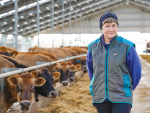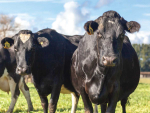
BCS Targets: Why Body Condition Score Matters at Calving
Body Condition Score (BCS) is a critical element in managing the health and reproduction of the dairy herd.
 increase font size
 When sending or receiving calves, farmers involved should record it online in the NAIT system.
Dairy farmers and lifestyle farmers rearing calves must do all their paperwork, says OSPRI.
The agency says calf rearers should be mindful of their NAIT obligations and must complete and retain an Animal Status Declaration (ASD) form.
This means calves intended for rearing or selling need to be NAIT tagged and registered in the NAIT system prior to their first movement off-farm or within six months of birth whichever comes first.
When sending or receiving calves, the farmers involved should create and confirm the ‘movement‘ and record it online in the NAIT system, and send with the animals a paper ASD form.
Bobby calves less than 30 days of age and consigned directly to slaughter are the exception as they are managed through meat processor regulations.
Managing and moving calves in line with NAIT rules is especially important because about 1.5 million calves are reared annually.
An animal’s lifetime traceability requires that its point of origin be known; this requires that farmers meet their NAIT obligations including an ASD for each group of animals leaving the farm.
Southland dairy farmer Nigel Johnston says farmers should be aware of the different requirements if selling calves to a rearer or putting them on a bobby truck.
“Perhaps some farmers have overlooked this or weren’t sure, but there are no excuses and we all have a role to play in ensuring everyone is doing their NAIT, and doing it properly.
“It’s a no-brainer, especially in the instance of a disease outbreak as it will ensure effective traceability with rapid tracing of movements and from what locations. Then, after the initial response, further biosecurity risks can be swiftly identified and diagnosed through the ongoing animal surveillance and monitoring that is required.
Johnston also recognises the value of an ASD form as part of enhancing the current livestock traceability system and says it gave farmers a “peace of mind” at the saleyard when looking to buy calves or livestock.
“It’s critical for your business to know you aren’t inheriting a problem which could morph into a disease or biosecurity risk on your farm.
“The beauty of an ASD is you can find out about the calves’ health status and how long they’ve been at their previous locations before buying.”
In the event of a disease outbreak, the effectiveness of a government and industry response relies on farmers entering accurate and up-to-date information about calves or livestock into the NAIT online system.
OSPRI says farmers who flout the rules will be subject to compliance monitoring, and if necessary onsite inspections and enforcement will be done by MPI.
Body Condition Score (BCS) is a critical element in managing the health and reproduction of the dairy herd.
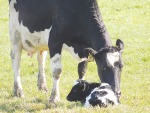
Giving calves the best possible start to life has been shown to boost growth and resilience.
The first weeks of a calf's life quietly shape the future of the entire herd.
In calf rearing, the smallest details often have the biggest impact. While feed and genetics remain critical, bedding is increasingly recognised as a key driver of calf health, growth, and overall performance.
For decades, probiotics in calf rearing have been treated as a reactive tool – something to reach for when illness strikes. That thinking, according to Matt Collier of Probiotic Revolution, is leaving significant money on the table.


Carrfields has announced the appointment of Stu Hall to the newly created role of chief operating officer, Carrfields Ltd, reflecting the continued growth of their agribusinesses and the need to ensure the company has the leadership capacity and support in place as it pursues the emerging opportunities ahead.

New Zealand's role is not to compete with Indian growers, according to NZ Apples and Pears.
The potato industry is celebrating the success of two rising stars - James Blair, the 2026 Young Grower of the Year and runner-up and innovation award winner, Amber Davy.
Twenty-eight emerging leaders from across the horticulture sector spent two days last month learning valuable skills and connecting with industry experts.
There are five entrants in this year’s Young Horticulturist of the Year, competing in a series of technical, practical, business and leadership challenges.
A seasoned horticulturist has been appointed to deliver the Apple Action Plan, a key initiative of the India-New Zealand Free Trade Agreement.