Woolpress working like a dream
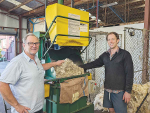
As the maker of the TPW Woolpress celebrates its 50th anniversary, one Christchurch company is singing the praises of the machine, which has been a centrepiece of its operation for most of that time.
 increase font size
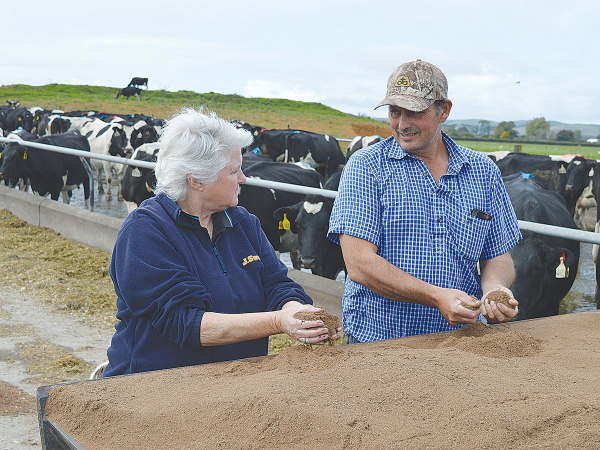 Jo McLachlan, sales consultant for J Swap Stockfoods (left) and Eureka farmer Dan Hinton.
Having a trusted feed supplier as part of their team is a vital part of a Eureka family's farm business - especially now that they've shifted to autumn calving.
Dan and Abbie Hinton are 50:50 sharemilkers, milking 500 cows on the 170ha Hinton family farm in Eureka, near Hamilton. Dan says they have reduced their herd size from 580 to 500 but have focused more on production, which has lifted from 950 kgMS/day to 1050 kgMS/day, with an annual target of 240,000 kgMS total production.
Since he changed from spring to autumn calving, the feed strategy on the farm has become more critical, milking cows through winter when the grass isn't growing.
"We're a pasture-based system (system 3, upper end) and we add feed as required," says Dan. "We'll feed maize and grass silage supplemented with dry feed from Swaps. Bought-in feed is a necessity for us. If you put it in at the right time, it protects you from weather variations."
With help from his J Swap Stockfood sales consultant, Jo McLachlan, he has adjusted the mixed ration he buys from Swaps to help boost cow condition and per cow production - feeding less, but feeding more protein per ration.
Raised on a dairy farm, Jo has been a sales consultant for Matamata-based J Swap for 17 years now and was their first sales person when Swaps first got into the stockfood business. Back then, palm kernel expeller (PKE) as a stockfood was new in NZ and Jo has seen huge growth in the business over 17 years, watching it evolve from mainly selling PKE as a commodity to selling mixed supplements tailored to a customer's farm.
The Hintons first started buying feed from Swaps during the 2008 drought, after being let down by another stockfood supplier. The working relationship with Jo has been a constant ever since and she's well past needing an invite to drop in for a cuppa. Dan now advance books 12 months supply with Jo, using about 600 tonne annually. The exact makeup of the mixed ration is varied according to what Dan's farm adviser says the cows need, balanced with feed prices and availability, which Jo advises him on.
"I can just ring Jo and say 'I need food!' and she'll sort out the best mix at the best price," says Dan. "I buy 12 months ahead, because our system is pretty rigid and doesn't change too often.
"We know we're going to be feeding 500 cows 2.5kg per day."
The Hintons have a silo and in-shed feeding system, along with a feedpad next to the shed. "Before we built the feedpad, we estimated it would reduce waste by about 30%," says Dan. "The idea was that we'd buy-in less feed, but what's happened is we buy the same amount, but produce about 30% more milk.
"During the conversation to winter milking, the feed pressure was massive and we were buying in way more PKE than we do now, but it got the cows through and they all calved in good condition and are now producing the most they've done.
"PKE is the perfect substitute for grass, there's no phasing in and the beauty is, it's always available. But we've evolved along with Swaps in moving from feeding a commodity to a tailored mixed ration with added goodies, based on what we need. We can dial up the protein content if our milk docket suggests the cows need more."
Jo says not all farmers work out in advance the volume and nutrition profile of supplements they’re going to need as accurately as Dan, who knows exactly what he needs to add-in throughout the season.
“Grass is your main variable and it can let you down,” says Jo. She says Dan tells her what the nutrition data says the cows need, and she finds the best solution. She says her job is to make it easy for her customers.
As the maker of the TPW Woolpress celebrates its 50th anniversary, one Christchurch company is singing the praises of the machine, which has been a centrepiece of its operation for most of that time.
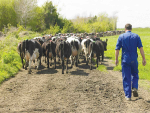
Good planning and communication are crucial to ensure a successful moving day.
A Mid-Canterbury dairy farmer is bringing a millennial mindset to his family farm and is reaping the rewards, with a 50% uplift in milksolids production since he took over.
Trace elements are the ‘invisible fence at the top of the cliff’ that can protect a dairy herd’s health and ensure cows meet their full production potential, says SealesWinslow nutrition extension specialist Simon Butler.
New Zealand farmers know that pastoral fortunes can shift rapidly once summer’s extreme dryness gives way to cooler, wetter autumn conditions.


Alliance is calling for final applications for its 2027 Graduate Programme, with applications closing on Sunday 25 October.
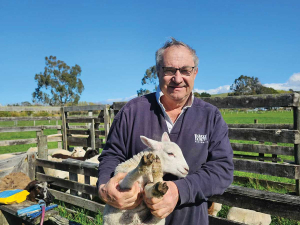
Decades piloting planes has ensured vet and farmer David Hayes is focused on safety. So, after a serious accident while welding on farm, he is sharing his experience so others can learn from it.
Canterbury milk processor, Synlait Milk has confirmed Leon Fung as its chief executive officer.
OPINION: Making it easier to collect rainwater and use it to grow crops and livestock is a no brainer.
As part of its Election 2026 coverage, Rural News asked political parties how they would help pull the arable sector out of the doldrums. Here's what they said:
Farmers are being encouraged to rethink how they manage waste on farm with the launch of ruralwastesorted.co.nz, a new website bringing together practical tips, real farmer experiences and resources.