International Day of Rural Women: Two DairyNZ Farmers’ Stories
Today, 15 October, is the International Day of Rural Women, which recognises rural women’s contribution to farming, communities and the environment.
 increase font size
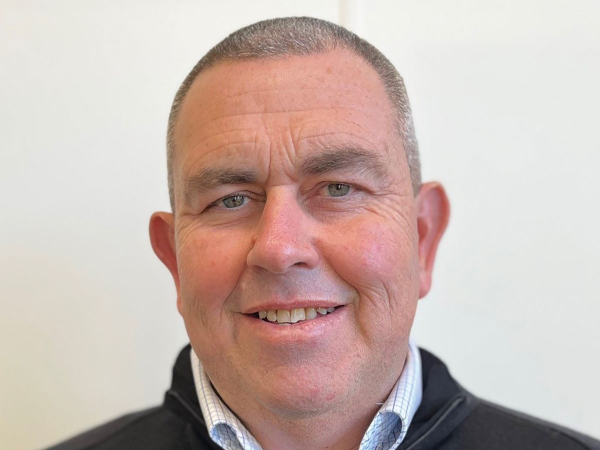 Dairy NZ lower South Island regional manager Jared Stockman.
South Island dairy production is up on last year despite an unusually wet, dull and stormy summer, says DairyNZ lower South Island regional manager Jared Stockman.
But he says farmers now need a warm and settled late summer and autumn or they could pay the price in winter feed shortages.
Stockman is responsible for the area south of the Waitaki, which he said produces 23 or 24% of the entire country's milk production.
He said every region of the South Island has had its challenges, including cool temperatures, high rainfall, the windstorm of October and, more recently, hail damage to crops in Canterbury.
However, overall milk production has remained very strong compared to last year - albeit coming off a lower than normal base last season.
He said that the South Island generally was about 3% of last year.
"I know that Southland probably was running, pre-Christmas, double digits - so potentially 10 percent up. But we had a terrible spring in the previous year so production was well down then."
Stockman said maintaining production has depended on maintaining feed, and high milk prices will have supported higher percentages of feed being imported onto milking platforms.
But recent hail damage to crops in Canterbury could have a two-fold impact on dairying. Not only will it push up the price of feed grains going forward, but the hail will also have damaged the likes of fodder beet and kale on dairy wintering blocks.
"There's been probably a double whammy, in that potentially we might be looking at less access to feed for the wintering and for the following season."
A weak autumn followed by a harsh winter would make the following spring incredibly challenging.
"What we need is some good weather. We need consistent good sunshine to push that grass along. Good rainfall, good sunshine hours, we can grow more grass, which is more cost effective than continually having to buy in more feed."
If farms don't have grass it could mean drying off early, and going into winter with wet soils would also be problematic from an animal health point of view.
Good Recovery After Windstorm
What set the season off to a poor start for many South Island dairy farmers was the massive windstorm of late October.
For Southland, the major damage on dairy farms was to structures such as wintering barns and covered pads, as well as widespread trees downed power lines.
However, DairyNZ lower South Island regional Jared Stockman believes the province had recovered very well.
For North Canterbury, the big problem was toppled irrigators particularly around Culverden, which meant a loss of irrigation and lessened grass growth.
Stockman said a lot of farmers would have made good decisions to manage the deficit by culling some stock or deciding early which paddocks to use for wintering.
They were probably tracking forwards a really good season prior to the storm and it put them "in a challenging place", he said.
"There'll be some that have recovered pretty well but I think that their peak milk was probably significantly affected."
Waterforce Christchurch manager Paul Fairbrother told Dairy News that most of the damaged irrigators in the district were repaired before Christmas and there were just "a few bits and pieces" still to do.
"We're pretty much back to where we were."
Stockman said dairy farmers put these things behind themselves pretty quickly.
"In summary the South Island has had a reasonable season, which is fantastic given all the challenges that they have overcome over the last six months. We are cautiously optimistic for the balance of the season."
Today, 15 October, is the International Day of Rural Women, which recognises rural women’s contribution to farming, communities and the environment.
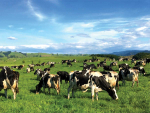
The first major update to the Dairy Cattle Code of Welfare in more than a decade has been released, marking what DairyNZ describes as an important step in ensuring animal welfare standards continue to evolve alongside scientific evidence and on-farm realities.
Have a plan in place for your cows and staff.
DairyNZ deputy chair Cameron Henderson has been re-appointed unopposed for another term.
OPINION: The stats speak for themselves.


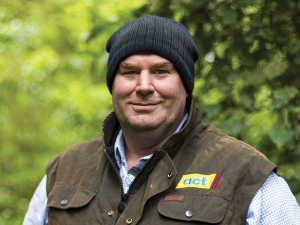
As part of its Election 2026 coverage, Rural News asked political parties how they would help pull the arable sector out of the doldrums. Here's what they said:
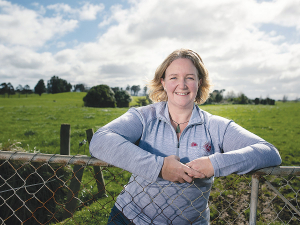
Farmers are being encouraged to rethink how they manage waste on farm with the launch of ruralwastesorted.co.nz, a new website bringing together practical tips, real farmer experiences and resources.
New Zealand Winegrowers (NZW) is celebrating the India-New Zealand Free Trade Agreement (FTA) coming into force today, bringing New Zealand wine improved access to one of the world’s fastest-growing economies.
New Zealand’s red meat sector has welcomed the India-New Zealand Free Trade Agreement taking effect, which removes India’s 33% tariff on New Zealand sheepmeat.
More than 95 per cent of New Zealand’s forestry and wood exports to India can now enter tariff free as the New Zealand-India Free Trade Agreement comes into force today.
Federated Farmers is backing Feilding High School’s call to keep Agriculture and Horticultural Science as a standalone subject in Year 11.