How Trace Minerals Support Dairy Cow Recovery Pre-Mating
By September, pre-mating heat recording is underway on many spring-calving dairy farms.
 increase font size
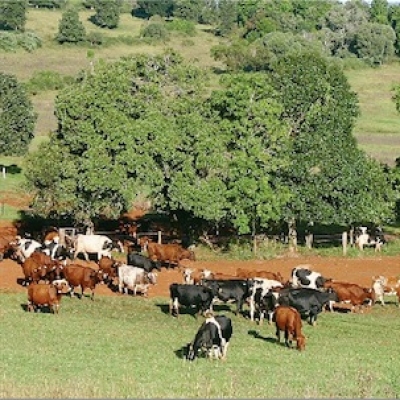 Plenty of access to shade and clean water is number one.
With hot summer conditions increasing the risk of heat stress in herds, choosing the right supplementary feed can help farmers turn down the heat in their cows' says SealesWinslow.
The animal nutrition company's science extension officer, Sarah Morgan, says all cows generate heat when they digest feed, but feeds requiring less energy to digest will also result in less heat generated and more comfortable cows.
"Fibre produces more heat in the rumen than other carbohydrate feed sources. Feeds that have high oil content also require more energy to digest and reduce the efficiency of nutrient metabolism. Low fibre feed sources usually result in less heat from digestion than feeds that are higher in fibre."
Morgan says cows tend to protect themselves against heat stress by eating less to avoid temperature increases during digestion, but this often comes at the cost of milk production.
"The combined effects of higher temperatures and humidity can put a strain on the herd, and this is particularly so for high producing dairy cows. These higher producing cows generate more heat during digestion than lower producing cows," explains Morgan.
"The main reason for the drop in milk production in these conditions is that the cows eat less to avoid further temperature rises during digestion; so minimising any environmental effects on dry matter intake is critical to maintaining productivity in times of heat stress."
Ready access to shade and plenty of cool, clean, fresh water is the number one thing farmers can do to support the herd and keep temperatures down.
Morgan recommends increasing the energy density of the diet to help compensate for reduced dry matter intake. Providing a good source of protein to help stimulate hunger and avoid temperature increases will help maintain production in herds that are still being milked.
"Fat, such as a coated or bypass fat, is a good way to increase energy density in the diet and compensate for the difficulties of achieving target intakes through pasture alone," she says.
"The quantity of quality protein over the warmer summer months also becomes important, particularly as pasture quality drops. Protein in the diet not only supports milk production and milk protein content, but also plays a hand in stimulating intakes or hunger."
Morgan says that the best protein sources at this time of year are feeds that are higher in bypass protein or rumen undegradable dietary protein, which passes through the rumen and digests in the lower intestine. These protein sources require less energy for digestion and hence produce less heat.
For cows that are being dried off, feeding levels would be below the levels heat stress would affect them, so water and shade are the most important factors for keeping them cool.
Heat stress – what you need to know
Heat stress occurs when the cow's ability to cool down is compromised because the temperature is high.
Humidity further affects this by affecting the cow's ability to cool down by sweating and panting.
Signs of heat stress in lactating cows include reduced feed intakes, lethargic behaviour and lower milk production.
Provision of shade and a good supply of cool, clean, fresh water can support the herd to keep temperatures down.
Heat production increases following a meal - this is a result of the heat energy from fermentation and heat of nutrient metabolism.
Different feed types result in differing levels of heat from digestion – increasing energy density by incorporating more fat in the diet and decreasing heat from digestion with the right protein can help to maintain feed intake milk production.
By September, pre-mating heat recording is underway on many spring-calving dairy farms.
Matt Collier, Probiotic Revolution, says calves will drink a lot of milk once-a-day with their probiotic Calf Xtreme.
It's easy to look over a lush spring paddock and assume cows are getting enough usable nutrition. But while fast-growing pasture can give plenty of volume, in high moisture, variable dry matter and uneven mineral profile can leave real nutrition gaps when cows need it most.
New DairyNZ research will help farmers mitigate the impacts of heat stress on herds in high-risk regions of the country.
Thirty years ago, as a young sharemilker, former Waikato farmer Snow Chubb realised he was bucking a trend when he started planting trees to provide shade for his cows, but he knew the animals would appreciate what he was doing.


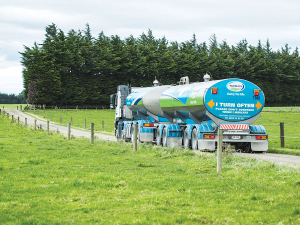
Fonterra board members are in line for a pay rise of around 3%.
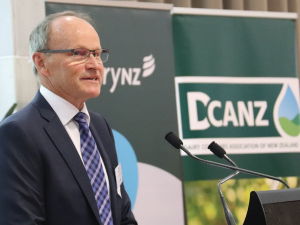
Dairy processors are ready to further boost New Zealand’s export earnings but want the incoming government to match their ambition with good policy.
Massey University is best placed to solve the “problems” facing the dairy industry, says vice chancellor, Pierre Venter.
Synlait's longest serving employee – a man who joined the Canterbury-based milk processor even before it began processing milk – is now its newest executive.
A dairy industry leader believes eradicating the common and costly disease, Bovine Viral Diarrhoea (BVD) is within reach.
A farmgate milk price of $10/kgMS this season is firming up as milk powder prices soar and the New Zealand dollar weakens.