
NZ Milk Price Could Hit $10/kgMS as Global Supply Eases
A 'tsunami' of milk from key exporting countries is winding down and this may be good news for New Zealand dairy farmers.
 increase font size
 Nathan Penny, ASB.
The back-to-fat story was reinforced at the latest GDT event with butter up 3.3% to a fresh auction record high of US$5631/t, says ASB senior rural economist Nathan Penny.
The fat trend has several positive implications: it is likely to be ongoing and it means the global dairy market is turning from supply to demand driven.
“Particularly in North America but elsewhere we have seen a move back to butter and fat in general as it is no longer seen as bad for your health as the science has proven.
“So people have started to put it back on their menus. One symbolic example of that was McDonalds in the States moved to put butter back on its McMuffins. It did away with margarine or similar and replaced it with butter,” Penny told Dairy News.
“Those sort of moves are being replicated in various places across the US and that really has seen butter and fat sales increase.
“Given that the science probably won’t change back the other way, we think fat prices are likely to remain high until supply can catch up a bit further. That may mean prices come off these record highs but over the longer term fat prices are likely to average higher than they have over the past 10 years or so.”
Overall last week’s GDT Event prices went sideways (price index rose 0.6%), says Penny, with whole milk powder (WMP) dropping slightly by 2.9% to US$3142/t.
The reasonably good production season – with a better second half than first – was behind the dip in WMP prices.
“But demand is really part of the story now. It is not just demand correcting around the world, it is also firm demand and particularly for milk fats. So we expect that to continue into the new season.”
ASB is holding its new season forecast at $6.75/kgMS.
But Rabobank dairy analyst Emma Higgins says while dairy fats “creamed it” again at the last auction, she sounds a note of caution.
“We now have a situation where Oceania dairy is pricey compared to other regions. The US now has significantly cheaper butter than EU and New Zealand.
“The US$200/t premium for NZ butter is sizeable and something we haven’t seen for the last couple of years. This will be something to watch going forward as the US stocks continue to mount.”
The highest average prices for butter in GDT history were helped by a European shortage of product, she says.
While AMF dropped by 1.2% to land at US$6569/t, the drop only took the edge off what continues to be exceptional AMF prices.
“However, weaker prices for contract periods (i.e. delivery) towards the end of 2017 suggest that buyers are looking for short term AMF coverage at these expensive prices and raises questions of buyers substituting dairy fats for vegetable oils in some food applications in future.”
Weaker WMP prices for contracts in October and November 2017 suggest the market is anticipating strong NZ milk supply, she says.
All other dairy products are in positive territory: cheese climbed 14.5% and skim milk powder (SMP) leapt up almost 8%, albeit from a low base.
ANZ rural economist Con Williams says all up some caution is warranted on early season milk price forecasts until there is more certainty of a supply/demand balance during the seasonal peak.
A 'tsunami' of milk from key exporting countries is winding down and this may be good news for New Zealand dairy farmers.
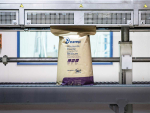
Milk powder prices are keeping farmgate prices up, helping processors offset the dip in milk fat prices.
Chinese beef trade quotas and a looming suspension of Brazilian beef imports into the European Union are expected to reshape global beef trade flows over the remainder of 2026, with implications for New Zealand exporters, according to Rabobank's Q3 Global Beef Quarterly report.
New Zealand consumers are paying more for beef mince than ever before, with the average retail price now sitting above $24 per kilogram, according to Rabobank.
Case IH has unveiled its redesigned next generation Puma Series tractors, said to offer improvements in connectivity, operator comfort, fuel efficiency and drivability.



Federated Farmers says it welcomes Labour's commitment to reviewing the Sharemilking Agreements Act, calling on other major parties to do the same.
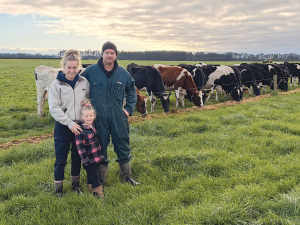
For Canterbury dairy farmers Sian Meijer and Rick Wobben, wearable technology has become one of their most valuable on-farm tools - helping manage 1850 cows across an expansive, high-performing dairy operation while improving efficiency, mating outcomes and day-to-day decision making.
Fonterra has unveiled its annual results for the 2026 financial year, posting $27 billion in revenue and close to $20 billion returned to New Zealand farmer owners and unit holders.
The first major update to the Dairy Cattle Code of Welfare in more than a decade has been released, marking what DairyNZ describes as an important step in ensuring animal welfare standards continue to evolve alongside scientific evidence and on-farm realities.
Ravensdown shareholders have elected Jane Montgomery and Kate Acland to the Ravensdown Board for three-year terms, following a closely contested director election.
Federated Farmers says new legislation replacing the Resource Management Act will cut red tape, unlock investment and help grow New Zealand's export-led economy, after the Planning Bill and Natural Environment Bill passed their third reading in Parliament yesterday.