Election 2026: How Parties Would Lift the Arable Sector
As part of its Election 2026 coverage, Rural News asked political parties how they would help pull the arable sector out of the doldrums. Here's what they said:
 increase font size
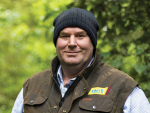
 Mark Patterson
Dry conditions are widespread but worse in some places, with rain and drought affecting farms just a few kilometres away.
That seems to be the consensus on the worsening dry conditions around the country - especially in western regions of both Islands.
Earlier this month, Agriculture Minister Todd McClay classified the regions of Northland, Waikato, Horizons, and Marlborough-Tasman regions as experiencing a medium-scale adverse event, recognising the worsening conditions faced by many farmers across the country.
Taranaki had received the same declaration some weeks ago with dairy farmers along southern coastal parts of that region particularly badly hit. This latest declaration will see $100,000 made available to rural support trusts and other agencies to help farmers through this latest crisis.
McClay says below average rainfall continues to make it difficult for farmers as soil moisture levels dry out and stockfeed and water become tight in some areas. Meanwhile Rural Committees Minister Mark Patterson is encouraging farmers to seek support if they need it.
DairyNZ chair Tracy Brown, who's been travelling around NZ recently as part of a levy feedback roadshow, says the situation is very serious, with prolonged periods of dry right across the country. She says it's hard to generalise how bad it is in each region.
"In Waikato we had rain but there were variations of between one and two millimetres in some places and 25mm in other areas, so in a sense the drought has been localised," she told Dairy News.
Brown says DairyNZ has been working with other agencies such as MPI, Beef+Lamb NZ, local vets and the Rural Support Trust in Taranaki to get help to farmers that are in trouble with the dry conditions. She says they and the other groups have been running seminars and events to provide farmers with good information, but also to get them together to support each other. She says DairyNZ also has a lot of good information on its website on how farmers can deal with the dry conditions.
Feds Support Declaration
Federated Farmers is backing the Government's drought declaration saying it's a welcome proactive move.
Northland president Colin Hannah says the declaration is recognition of the growing seriousness for farmers of well-below-normal rainfall. He says from the North Cape right down the west coast of Northland, there's a major issue.
"In Wellsford, springs and wells are drying up, putting huge pressure on stock water availability," he says.
Feds Waikato president Keith Holmes says the weather pattern is very unusual, and distressing for those farmers hit hardest, with areas west of the Waikato River with places such as Tuakau, Pipio and Mahoenui getting no rain. He says east of the river it's getting quite serious too.
"Springs and wells providing stock water have dried up, and farmers are moving to once-a-day milking and sending stock to the works early," he says.
Holmes says maize crops may look good, but with insufficient water, they're putting on minimal cob and come harvest time they'll have very little feed value.
"Dairy farmers relying on maize for supplementary feed are going to come unstuck quickly," he says.
Holmes says if March stays dry, it doesn't set up farmers well for winter in the five affected provinces.
As part of its Election 2026 coverage, Rural News asked political parties how they would help pull the arable sector out of the doldrums. Here's what they said:
Food and fibre exports have returned a billion- dollar bonus to the country.
The Government is backing work on a community-led water storage scheme that could irrigate up to 11,000 more hectares of the Poverty Bay flats, Agriculture Minister Todd McClay says.
The Minister for Rural Communities, Mark Patterson, says there's a massive infrastructure deficit in rural areas.
A Labour-led Government won’t be bringing back the controversial freshwater rules of 2020.


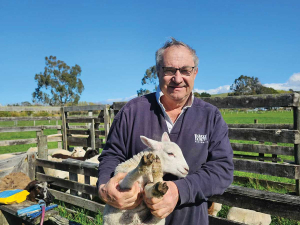
Decades piloting planes has ensured vet and farmer David Hayes is focused on safety. So, after a serious accident while welding on farm, he is sharing his experience so others can learn from it.
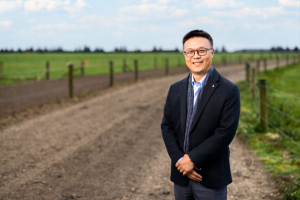
Canterbury milk processor, Synlait Milk has confirmed Leon Fung as its chief executive officer.
OPINION: Making it easier to collect rainwater and use it to grow crops and livestock is a no brainer.
As part of its Election 2026 coverage, Rural News asked political parties how they would help pull the arable sector out of the doldrums. Here's what they said:
Farmers are being encouraged to rethink how they manage waste on farm with the launch of ruralwastesorted.co.nz, a new website bringing together practical tips, real farmer experiences and resources.
New Zealand Winegrowers (NZW) is celebrating the India-New Zealand Free Trade Agreement (FTA) coming into force today, bringing New Zealand wine improved access to one of the world’s fastest-growing economies.