International Day of Rural Women: Two DairyNZ Farmers’ Stories
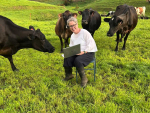
Today, 15 October, is the International Day of Rural Women, which recognises rural women’s contribution to farming, communities and the environment.
 increase font size
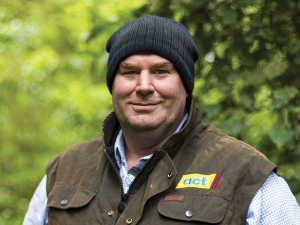
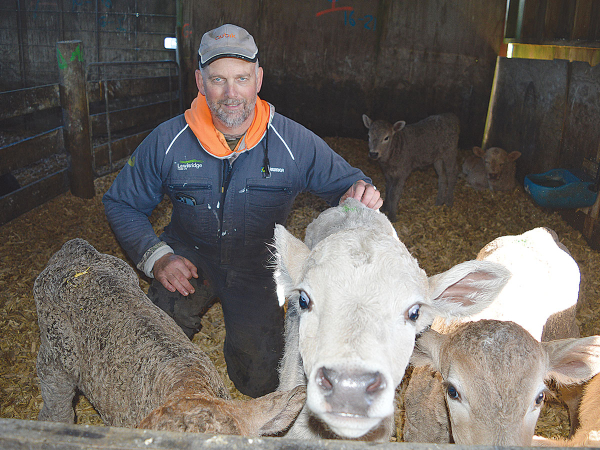 DairyNZ director Chris Lewis is offering himself for re-election.
After serving three as a DairyNZ director, Waikato farmer Chris Lewis is ready for another term.
The former Federated Farmers national dairy chair says his focus at DairyNZ remains on ensuring the board provides strong governance direction that reflects farmers' realities and invests levypayer funds wisely.
Nominations closed last week. This year, two farmer director positions are open, with Lewis and board chair Tracy Brown and Chris Lewis retiring by rotation. Brown is also seeking re-election. DairyNZ has a governing board of eight directors. Five are farmer-elected and three are independent, professional directors.
Lewis milks about 930 cows on a 330ha eff farm at Pukeatua, south of Hamilton.
He told Dairy News that DairyNZ must pursue practical, "paddock-first solutions" while safeguarding farm viability and being accountable to levypayers.
"Farmers need answers that work in the paddock, not just on paper," he says.
"My focus is on ensuring the board keeps DairyNZ connected to the realities of running a farm, so that strategies, research, and policy translate into tangible, measurable outcomes on-farm that are positive for both production and profit."
Lewis believes the board must take a strategic view of the cost pressures, regulatory demands, and labour shortages impacting the sector.
"I will ensure DairyNZ's priorities support profitability, resilience, and long-term confidence for the next generation of farmers.
"Sound governance means testing every decision against operational realities. I will continue to ensure board decisions are informed by robust analysis and farmer input, not just theoretical models — and that all directors are able to bring their expertise effectively to the table.”
He says directors are accountable to farmers and the board must maintain a strong and credible voice in discussions with government, industry partners, and the public — representing farmer interests with integrity and authority.
“From freshwater farm plans to climate policy and biosecurity, the board must provide direction that is practical, costeffective, and achievable. I will ensure we face these issues head-on, balancing environmental, economic, and social outcomes.”
Lewis served as a Federated Farmers’ official for over 18 years, starting at Otorohanga branch chair culminating as national dairy chair. He stepped down four years ago to allow younger Feds members to take on leadership roles.
He remembers telling fellow Feds executives of the need to focus on ‘three Fs’ – family, farming then Feds.
“After a year we added another ‘F’ – fun; you must have some fun while you’re doing these roles.
“And so I always said to the guys, when we get together at the conferences, do not get things mixed up – family first, then your farm. If you’ve got time, do your volunteer work with Feds.”
Today, 15 October, is the International Day of Rural Women, which recognises rural women’s contribution to farming, communities and the environment.
The first major update to the Dairy Cattle Code of Welfare in more than a decade has been released, marking what DairyNZ describes as an important step in ensuring animal welfare standards continue to evolve alongside scientific evidence and on-farm realities.
Have a plan in place for your cows and staff.
DairyNZ deputy chair Cameron Henderson has been re-appointed unopposed for another term.
OPINION: The stats speak for themselves.


As part of its Election 2026 coverage, Rural News asked political parties how they would help pull the arable sector out of the doldrums. Here's what they said:
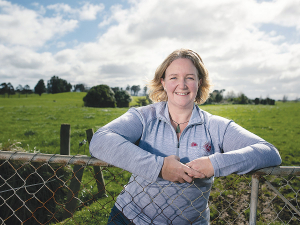
Farmers are being encouraged to rethink how they manage waste on farm with the launch of ruralwastesorted.co.nz, a new website bringing together practical tips, real farmer experiences and resources.
New Zealand Winegrowers (NZW) is celebrating the India-New Zealand Free Trade Agreement (FTA) coming into force today, bringing New Zealand wine improved access to one of the world’s fastest-growing economies.
New Zealand’s red meat sector has welcomed the India-New Zealand Free Trade Agreement taking effect, which removes India’s 33% tariff on New Zealand sheepmeat.
More than 95 per cent of New Zealand’s forestry and wood exports to India can now enter tariff free as the New Zealand-India Free Trade Agreement comes into force today.
Federated Farmers is backing Feilding High School’s call to keep Agriculture and Horticultural Science as a standalone subject in Year 11.