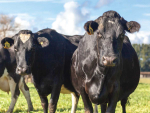
BCS Targets: Why Body Condition Score Matters at Calving
Body Condition Score (BCS) is a critical element in managing the health and reproduction of the dairy herd.
 increase font size
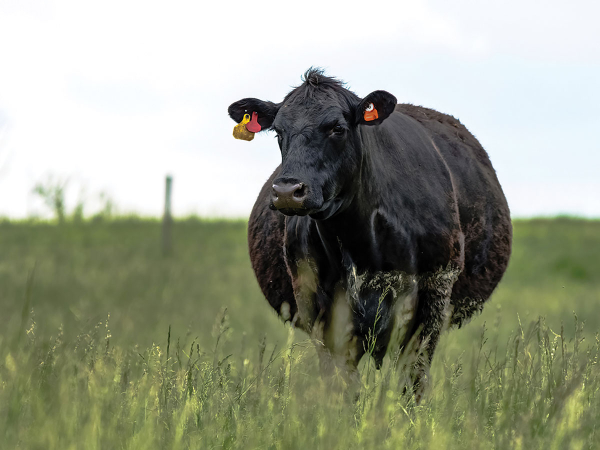 CowManager tracks behaviour and ear temperature simultaneously, from a single ear-mounted sensor.
Dry-off feels like a break. For the cow, it's anything but.
In the weeks before calving, she's simultaneously growing a calf - around 75% of its birth weight is gained in the final 90 days alone - producing colostrum antibodies, adjusting her calcium metabolism, and trying to hold condition through a significant diet change.
The energy demand outstrips what she can eat. That gap - negative energy balance - is where next season’s problems are seeded. The trouble is, on a NZ pasture-based farm, you’re unlikely to see it going wrong until it already has.
Research shows 85-95% of health events in the first 30 days in milk originate in the transition period, well before a cow shows anything visible. CowManager’s NZ data puts a number on what that costs: cows with repeated transition alerts - those accumulating three or more alert days across the transition window - produce 5-8% less milk than herd mates who transition cleanly. Not just at peak. Across the full 300 days in milk. And the effect is strongest in cows on their third lactation or beyond, exactly the animals carrying the most production weight in your herd.
That’s not a bad week. It’s a bad season.
Most monitoring systems track behaviour. CowManager tracks behaviour and ear temperature simultaneously, from a single ear-mounted sensor. The distinction matters. Ear temperature reflects changes in blood flow and correlates with physiological stress before it alters how a cow moves or eats. That earlier signal is the difference between an alert on day one and a problem you find on day five.
Neither ‘At Risk’ nor ‘Suspicious’ is a diagnosis. They’re prompts to take a closer look. Your vet still makes the call. Assign them visibility inside your portal and they have full access to your herd’s data. They’re working from a stronger starting point as the story is unfolding - not at the conclusion.
CowManager monitors each cow from dry-off through to 25 days after calving - the full transition window, continuously, across the whole herd. Your team starts each day knowing which animals need attention, rather than which paddock to walk and hoping to spot it.
Every dry-off you go into without that visibility is a season of data you won’t get back. And on most herds, the return on closing that gap is more than most farmers expect.
Book a call with your local Cow- Manager rep and run the numbers through our ROI calculator - see what your transition is costing you.
cowmanager.co.nz
0800 770 566
Article supplied by CowManager
Body Condition Score (BCS) is a critical element in managing the health and reproduction of the dairy herd.
Giving calves the best possible start to life has been shown to boost growth and resilience.
No two systems are the same.
The first weeks of a calf's life quietly shape the future of the entire herd.
In calf rearing, the smallest details often have the biggest impact. While feed and genetics remain critical, bedding is increasingly recognised as a key driver of calf health, growth, and overall performance.



Now in its fourth year, the 2026 Fencing Industry Awards, formed part of the proceedings of the FCANZ Conference, held in Nelson during August.
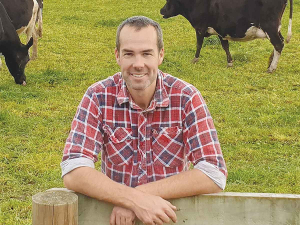
DairyNZ deputy chair Cameron Henderson has been re-appointed unopposed for another term.
OPINION: The stats speak for themselves.
Farms across the upper North Island are trialling different pasture mixes as part of a research programme that aims to build greater resilience into farming systems.
Election years are always a concerning time for farmers, according to DairyNZ chair Tracy Brown.
The Ballance Farm Environment Awards are coming to the West Coast of the South Island.