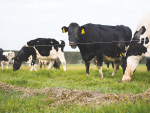
Transition makes or breaks reproduction
By September, most herds are already calved and are heading towards mating. The window to influence pre-calving minerals has passed, and decisions made in the transition period are only just becoming obvious.
 increase font size
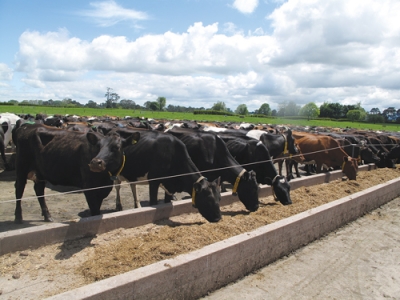 Consult a vet to determine if your cows need trace elements before feeding them supplements.
Farmers should consult with a veterinarian to determine if cows are deficient in trace elements before supplementation.
DairyNZ provides the following information on trace elements;
Cobalt
Required for production of Vitamin B12, energy metabolism in the rumen and in the cow, fibre digestion and immunity. High manganese in soil reduces cobalt uptake by plants. Therefore, as pasture is generally high in manganese it is usually low in cobalt.
Copper
Required for growth and production, animal health and immunity, reproduction and calf viability. High intake of molybdenum, sulphur and iron, which often occurs in pasture-based diets, especially in winter and spring, reduces copper uptake by the animal.
Iodine
Required for intake, energy metabolism and milk production, protein synthesis, reproduction and heat detection. Uptake of iodine by pasture can be low. Additionally, iodine is easily leached during wet weather in winter and spring. Requirements for iodine increase during cold, wet weather.
Selenium
Required for disease resistance (e.g. mastitis), placental shedding (post calving cleaning), milk production, reproduction, calf viability and immunity. There are regions that will have high selenium levels in pasture, particularly if they have been fertilised with selenium fertiliser. In such areas supplementation should be avoided. If in doubt, consult with your vet of farm consultant.
Zinc
Required for growth and production, reproduction, hoof strength and immune system. The need for zinc supplementation will vary from farm to farm. Farms using zinc in summer for facial eczema may still require zinc supplementation in the spring. Pasture analysis should determine the need for supplementation. Excess zinc intake will increase the risk of milk fever and copper deficiency and may depress appetite.
By September, most herds are already calved and are heading towards mating. The window to influence pre-calving minerals has passed, and decisions made in the transition period are only just becoming obvious.
We've come a long way in dairy farming over the past couple of decades. Genetics are better, sheds are more modern and we have more data at our fingertips than ever before.
Trace elements are the ‘invisible fence at the top of the cliff’ that can protect a dairy herd’s health and ensure cows meet their full production potential, says SealesWinslow nutrition extension specialist Simon Butler.
OPINION: Few things are more stressful for dairy farmers than running out of feed when cows need it most.
Ensuring livestock receive a balanced and adequate mineral intake is essential for optimal health and productivity, as they play crucial roles in various physiological processes, including growth, reproduction, and disease resistance.


Federated Farmers has welcomed new rural policies released by ACT, saying they align closely with its own election priorities.

Rural Contractors NZ says proposed changes to land transport rules for agricultural vehicles are a welcome response by the Government to out of date regulations which have seen members hit with huge fines.
Alliance is calling for final applications for its 2027 Graduate Programme, with applications closing on Sunday 25 October.
Decades piloting planes has ensured vet and farmer David Hayes is focused on safety. So, after a serious accident while welding on farm, he is sharing his experience so others can learn from it.
Canterbury milk processor, Synlait Milk has confirmed Leon Fung as its chief executive officer.
OPINION: Making it easier to collect rainwater and use it to grow crops and livestock is a no brainer.




