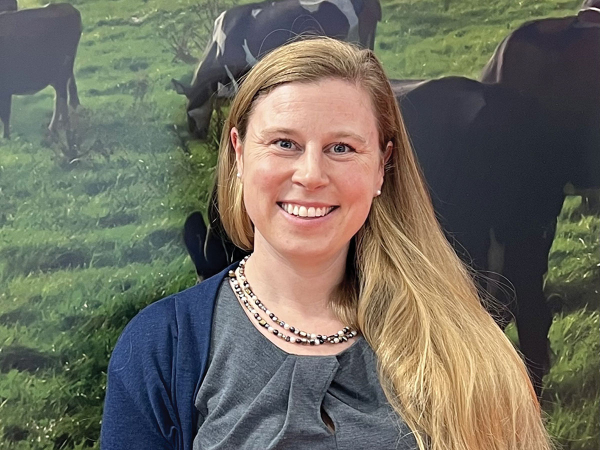
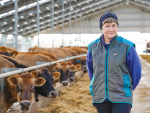
Solid biosecurity practices, regular monitoring and timely vaccination are the three key pillars of effective Bovine Viral Diarrhoea (BVD) control on New Zealand farms. Zoetis veterinary technical advisor, Karley DeFrees, explains BVD is a costly but preventative disease that impacts a significant number of dairy farms in New Zealand. Implementation of a BVD control plan can help protect your herd from this avoidable disease.
BVD causes reproductive losses and compromises the immune system, which could translate to a drop in milk production.
It has been shown that BVD costs the country about $150 million annually in direct production losses, and a further $40 million in ongoing expenses annually to control the disease.
Research shows 15-25% of dairy herds in New Zealand have active BVD infection. BVD is a highly contagious virus that is spread through nose-to-nose contact of animals, but is also carried through any bodily secretion, from milk to faeces and even semen from bulls.
There are two ways animals can contract BVD, the first is acute or transient infection, which is when an animal gets the virus and may become sick, or they may not show clinical signs, but eventually they clear the virus and come right.
The second, which is a major concern, is the presence of persistently infected (PI) animals in a herd. PI animals can only be born and are a result of cows becoming infected between 40 and 125 days of gestation.
"The virus loves to go to the reproductive system and cross through the placenta and into the unborn calf. Once PI calves are born, the virus continues to replicate, so the calves are like little virus factories running around your farm," DeFrees explains.
The only way to deal with this is to identify PI animals, and get them off your farm as soon as possible. "They are often animals that do not do well, show ill thrift and die early, they need to be identified and removed as soon as possible."
There are three key pillars of a good BVD control plan: biosecurity, testing and removal of PI animals, and vaccination.
Biosecurity First
Good biosecurity practices on your farm are a must, to minimise the opportunity for BVD to show up in the first place.
This includes eliminating contact between cattle on neighbouring properties through double fencing on boundaries.
Consideration must be given to those animals that go off-farm to graze, as sometimes these blocks can have animals from multiple different properties. Cows may return in-calf and deliver a potential PI calf.
Bulls should be tested and fully vaccinated two months prior to mating, as BVD can affect fertility. Infected bulls can also infect cows through semen, as they can shed virus in their semen for 14-28 days after infection.
Testing and Removal of PI Animals
DeFrees emphasises that testing for BVD and removing PI animals from the herd is a crucial step in the process.
"Vaccination is important, but if you are dropping a PI animal in the middle of your herd, vaccination might not cover you 100%. Testing animals as young as possible would be my recommendation. And because a PI can only be born, you only need to test it once in its lifetime."
Testing can be done through ear notching, blood tests or when other genetic testing is taking place. DeFrees likes to test dairy calves at disbudding time, that way she knows any calf without horns has been BVD tested.
Vaccination
Vaccination using a vaccine like Ultravac BVD from Zoetis, which has been tried and tested in New Zealand cattle, is the third step in combating BVD.
An initial course of two shots is required to protect animals, given two to four weeks before your breeding programme commences. The two doses can be given four weeks to six months apart. However, DeFrees emphasises that cattle are not protected until they have received both shots.
Calves can be vaccinated from as young as three months old and could get their two shots before heading to the run-off.
"With calves, often BVD may present as other diseases, such as rotavirus or worm burden, due to the immune system being suppressed, but the underlying cause is BVD."
Long-term, best practice is to vaccinate annually.
A Targeted Approach
All three pillars of management are important, targeted together, to give the best possible programme when controlling BVD on farm.
"Best practice is that you need to be thinking about all three pillars in your BVD control plan together rather than in isolation. Finding and eliminating PI animals is key, even if you are vaccinating, as there can still be a huge amount of virus on farm.
"Farmers also need to remember that as antibody levels drop and animals become naïve, then the risk increases if BVD does arrive. It's a sneaky virus and it can creep into your herd without your knowledge."
Signs you could have BVD include animal with ill thrift, reduced weight gain and fertility wastage. Farmers might observe reduced conception rates or higher empty rates.
DeFrees encourages farmers to seek advice from their vet and talk through their options if they suspect they have BVD.
www.zoetis.co.nz