The Health and Safety Reform Bill grabbed many headlines because of farming activities that are deemed high risk, and those that are not.
Because most farming activities fall on the low-risk side, many people seem to have rushed to a judgement that farmers are excluded from these reforms. This is simply not so.
The reforms are designed to improve the safety of every industry and every workplace -- farms included.
What’s more, the bill passed by Parliament last month is welcomed by Federated Farmers because it will further help our members to address the high level of workplace incidents and fatalities on farms.
Farmers know this performance is not good enough. They and Federated Farmers accept there is a problem, and the changes being brought about by the Health & Safety Reform Bill are just some of the ways we’ll continue to address this.
Federated Farmers’ focus to date has been on getting farmers to accept their industry’s poor track record and to raise awareness of the key risks on New Zealand farms. We’ve found it very effective to share the circumstance and causes of safety incidents within the sector.
Another key initiative has been to team up with WorkSafe and industry associations to identify and share best practice safety management.
Though most farming industries are not classified as high-risk, and do not require an employee safety representative if employing fewer than 20 employees, this does not mean the reform bill will not force further changes on farms. Its reforms are much broader than that.
This legislation is to further the provision by all farming industries of a safer environment for all workers. It strengthens the current regulatory framework in a number of ways and will incentivise everyone who has an ability to influence the risks faced by workers to ensure they do their part.
For farmers, that means a legal obligation to manage the risks within their control for all contractors and staff. The application of legal duties has also been expanded to include any person who holds a governance position in a business, such as a partner, trustee or director. In many cases that will mean farmers’ family members, and farm owners.
All this is backed by much higher maximum fines and strengthened regulatory oversight, whether you’re working in a high-risk industry or not.
These are not small or insignificant implications for farmers, nor are they the only things being done to make our farms safer. Together we will continue to work hard to make this a reality.
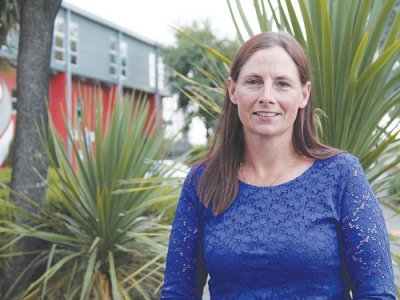
• Katie Milne is a Federated Farmers board member and its health and safety spokeswoman.