M.I.A.
OPINION: The previous government spent too much during the Covid-19 pandemic, despite warnings from officials, according to a briefing released by the Treasury.
 increase font size
 Todd Muller.
The forestry industry will face an onslaught of red tape and regulations if the current Forests Amendment Bill becomes law, claims National’s forestry spokesman Todd Muller.
“The Bill, as it currently stands, has the potential to inflict excessive, burdensome regulation and compliance costs on a forestry industry getting back off the canvas. We will be expecting major changes from the Select Committee process,” Muller says.
“National only supported the Bill to Select Committee because we agree with the intention of strengthening the forestry supply chain through increased transparency.”
Muller says the forestry industry worked tirelessly to improve management, safety and stewardship practices in light of COVID-19.
“It is appalling that they didn’t even see a copy of the Bill before it was taken to Parliament. Legislation like this shouldn’t be rushed. It needs to be worked through with those it affects most.”
He says National will be pushing for more engagement with the industry and asking for changes that make sure regulatory changes don’t place unnecessary burdens on businesses.
“The Minister needs to explain why the Bill is being pushed through so quickly and why there has been no consultation,” Muller adds.
“Forestry is a significant contributor to our economy and we should be encouraging forestry businesses to grow. Not constraining them with burdensome costs and regulations.”
OPINION: The previous government spent too much during the Covid-19 pandemic, despite warnings from officials, according to a briefing released by the Treasury.
OPINION: Labour leader Chris 'Chippy' Hipkins is carrying on the world-class gaslighting of the nation that he and his cohorts started after their disastrous Covid response; now trying to undermine the Covid inquiry to protect his own backside.
OPINION: Did former PM Jacinda Ardern get fawning reviews for her book?
OPINION: Welcome to the second annual NZ Dairy Expo at Matamata – an event created to bring together the best of the New Zealand dairy industry in a focused, grassroots environment where dairy farmers and rural professionals can meet, talk, compare products, and make smart decisions for their farms.
It's a bloody tough year for sheep farmers, but the worst may be over, and the future looks optimistic.


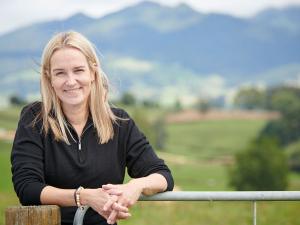
Minister of Conservation Hon Tama Potaka has appointed Susan O'Regan as Chair of the Queen Elizabeth II National Trust (QEII) for a three-year term.
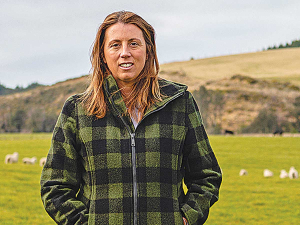
Red meat farmers are welcoming Labour’s plan to review the Emissions Trading Scheme and not to campaign on pricing agricultural emissions.
Where any worker in the kiwifruit industry is mistreated, we expect the authorities to take action.
Mid Canterbury Federated Farmers arable chair, Bevan Lill, said Beef + Lamb NZ data indicated that for the last six years, the average arable return on investment was about 0.8% while inflation ran about 4% - so the average arable farm was going backwards at about 3% a year.
Seed and grain companies share the concerns of arable farmers about the viability of their sector, says Seed and Grain New Zealand chief executive Dr Sarah Clark.
The New Zealand Institute of Forestry (NZIF) says unnecessary changes to New Zealand’s Emissions Trading Scheme (NZ ETS) will seriously erode investor confidence and result in significant reductions in forest planting rates.