Seeka Posts Record $62m Profit as Zespri Lifts 2026 Forecast
More signs of a booming kiwifruit sector.
 increase font size
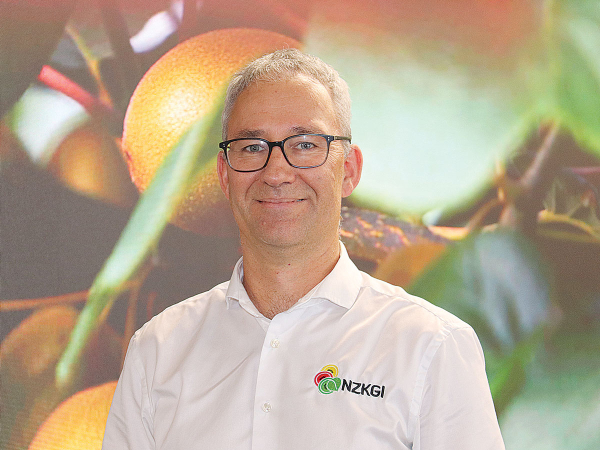 NZKGI’s Colin Bond says the longer it takes to deal with the problems the higher the cost will be.
The speed of dealing with the damage to infrastructure holds the key as to how well and how quickly the kiwifruit sector will recover from the ravages of Cyclone Gabrielle.
According to Colin Bond - chief executive of the kiwifruit growers' group, NZKGI - says the longer it takes to deal with the prolems, the higher the cost will be to the individual grower and to the country as whole due to lost export returns. These problems range from silt in orchards to damaged infrastructure - such as buildings and stopbanks.
Bond told Hort News that growers whose properties are close to stop banks are going to even consider removing silt, building new orchard infrastructure or replanting their vines unless there is certainty that their land will be protected in the future. He says reconstructing an orchard from scratch is both a costly and long-term commitment and could take up to five years minimum and potentially longer.
Realistically, he says horticulturalists can, once in a while, expect to lose an entire year's production. "What isn't realistic is to ask a grower to also fund significant damage from infrastructure failure," Bond adds.
"Yes, a grower should be prepared to be working with their banks to rebuild. But I have heard cases where septic tanks are full of silt and it's unfair for a grower to have to set the capital aside to cover those sort of repairs."
In Bond's view, that's where the Government needs to step in quickly for the good of some of these regional economies and that's the message they are trying to get through to the government. "There is a lack of understanding about the issues in the Wellington bureaucracy, but we are working hard with the government to make sure they understand the size of problem and where their support is best directed," he told Hort News.
Bond says they are having regular conversations with official and are making themselves available to meet with them at the drop of a hat to make sure they have the best possible understanding and can make timely and quality decisions.
No Surprise!
Meanwhile, Bond says kiwifruit growers are not surprised at the news from Zespri recently that the sector has taken a big hit due to a series of major adverse weather events. Zespri says it will only be able to export 136 million trays this season, compared to the 171 million trays in 2022.
He says many growers in the Bay of Plenty lost their entire crop in the October frost and others suffered damage from hail, a warm winter and the cyclones. Bond ads that while some growers who lost their crop due to the frost, the vines have survived, and they are hopeful of a healthy crop in 2024.
"But for those with waterlogged or silt covered orchards, the outlook is concerning, and this could affect production beyond next season."
More signs of a booming kiwifruit sector.

After delivering a strong financial year, rural trader PGG Wrightson says the coming months will depend on customer confidence and weather.
New Zealand growers have always adapted to changing conditions, but one challenge is steadily gaining ground across the horticulture sector: resistance.
Blueberries have the potential to become a major horticultural export, earning up to $150 million within the next three to five years.
Signs for the 2026-27 kiwifruit crop look good, but there are still some challenges for growers – especially those who produce green kiwifruit.

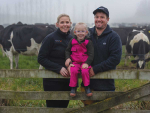
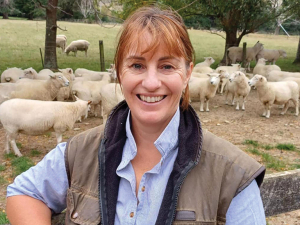
B+LNZ's Wormwise veterinarian Mary Bowron has won the Best Sheep and Beef Vet of the Year Award in recognition of her outstanding contribution to New Zealand’s sheep and beef sector.
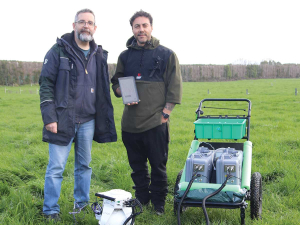
Researchers at Massey University are using a special piece of scientific equipment to improve the measurement of greenhouse gas emissions from pasture soils.
More signs of a booming kiwifruit sector.
OPINION: David Seymour and James Meager's plan to make it easier for farmers and orchardists to operate drones can best be described a 'courageous' move.
New Zealand wool is reaching new heights as air filtration companies move away from synthetic products to biodegradable alternatives.
Opuha Dam's ability to protect South Canterbury communities from major flooding has taken a significant step forward, with Opuha Water Limited (OWL) successfully commissioning a new outlet valve capable of releasing record volumes of water from the dam ahead of a weather event.